Politics · Singapore Bureau
NZ election tightening stokes investor concerns over policy uncertainty
New Zealand's increasingly competitive election race has sparked investor anxiety over potential policy reversals and changes to the central bank's mandate. The prospect of a single-term government—unprecedented in over 50 years—is heightening business concerns about economic stability.
LSN Singapore ·
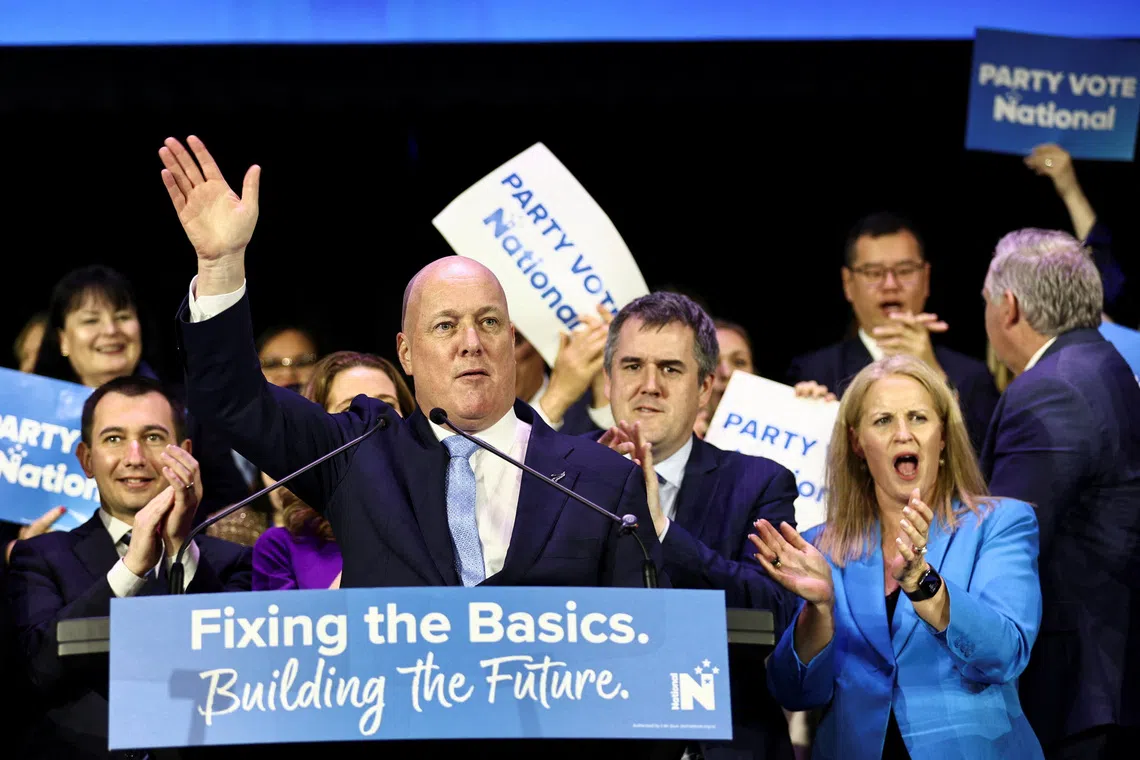
WELLINGTON — Growing uncertainty surrounding New Zealand's upcoming election has unsettled investors and business leaders worried about significant policy shifts should the current government serve only one term. Such an outcome would mark the first time in more than five decades that a New Zealand government fails to secure re-election, raising questions about the stability of major policy settings.
Key areas of concern include potential redefinition of the Reserve Bank of New Zealand's mandate and broader policy reversals that could affect the investment climate. Businesses and investors have expressed unease about the prospect of abrupt changes to regulatory frameworks and economic priorities should electoral fortunes shift.
The tightening race reflects deeper public dissatisfaction with current economic conditions, including persistent inflation concerns and cost-of-living pressures. Political analysts suggest the competitive nature of the contest reflects voter appetite for change, though this same dynamic is creating uncertainty in financial and business communities about which policy direction will ultimately prevail.
As voting approaches, both the incumbent government and opposition have attempted to reassure markets while outlining their respective economic visions. The outcome carries implications not only for New Zealand's domestic economy but potentially for regional trade and investment patterns across the wider Asia-Pacific region.