World · Bangladesh Bureau
Obstetric fistula: Bangladesh grapples with silent maternal health crisis
Thousands of Bangladeshi women suffer from obstetric fistula, a devastating childbirth injury that leaves them incontinent and isolated. Experts warn the preventable condition remains a major public health challenge requiring urgent intervention.
LSN Bangladesh ·
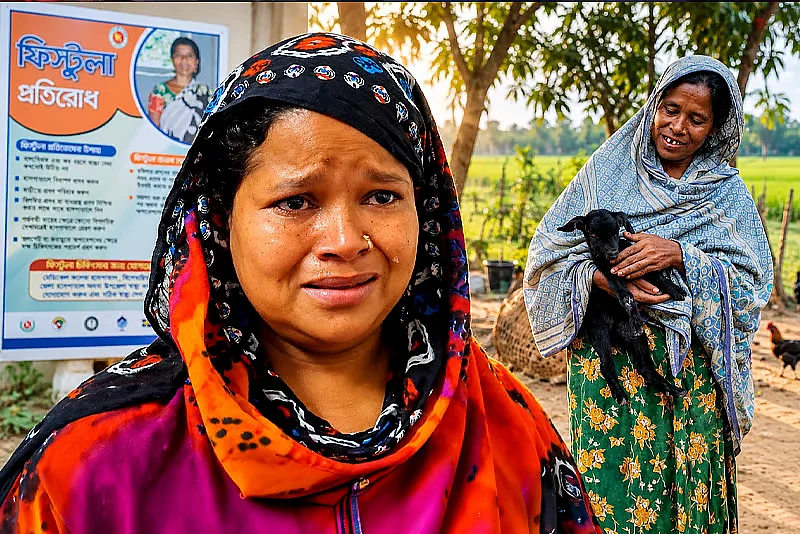
Obstetric fistula, an abnormal opening between the vagina and bladder or rectum caused by prolonged or obstructed labor, affects an estimated 50,000 to 100,000 women in Bangladesh. The condition leaves sufferers unable to control urine or feces, resulting in chronic incontinence that often leads to social stigma, abandonment, and psychological trauma.
The injury predominantly affects women in rural and underserved areas who lack access to emergency obstetric care during childbirth. Young girls married before adulthood face heightened risk, as their bodies are not fully developed for pregnancy and labor. Early marriage, malnutrition, and limited healthcare access combine to create conditions where obstetric fistula remains tragically common.
Beyond the physical devastation, women with fistula frequently endure social ostracism and economic hardship. Many are rejected by their families and communities, unable to work or participate in normal social activities due to their condition. The psychological burden compounds the physical suffering, with depression and suicidal ideation reported among affected women.
While surgical repair offers hope for recovery, the procedure remains inaccessible to most Bangladeshi women due to cost, lack of specialized surgical facilities, and limited awareness. Public health officials emphasize that prevention through improved maternal healthcare, emergency obstetric services, and delayed marriage remains essential to addressing the crisis.
Advocacy organizations working in Bangladesh stress that addressing obstetric fistula requires multifaceted approaches including strengthening healthcare infrastructure, educating communities, and ensuring vulnerable women gain timely access to emergency services during labor.