World · India Bureau
Ocean's Layered Structure Acts as Barrier to Vertical Mixing
A dye-tracking experiment has revealed how ocean stratification significantly slows the downward movement of substances through water layers. The findings have important implications for understanding how nutrients and pollutants disperse in marine environments.
LSN India ·
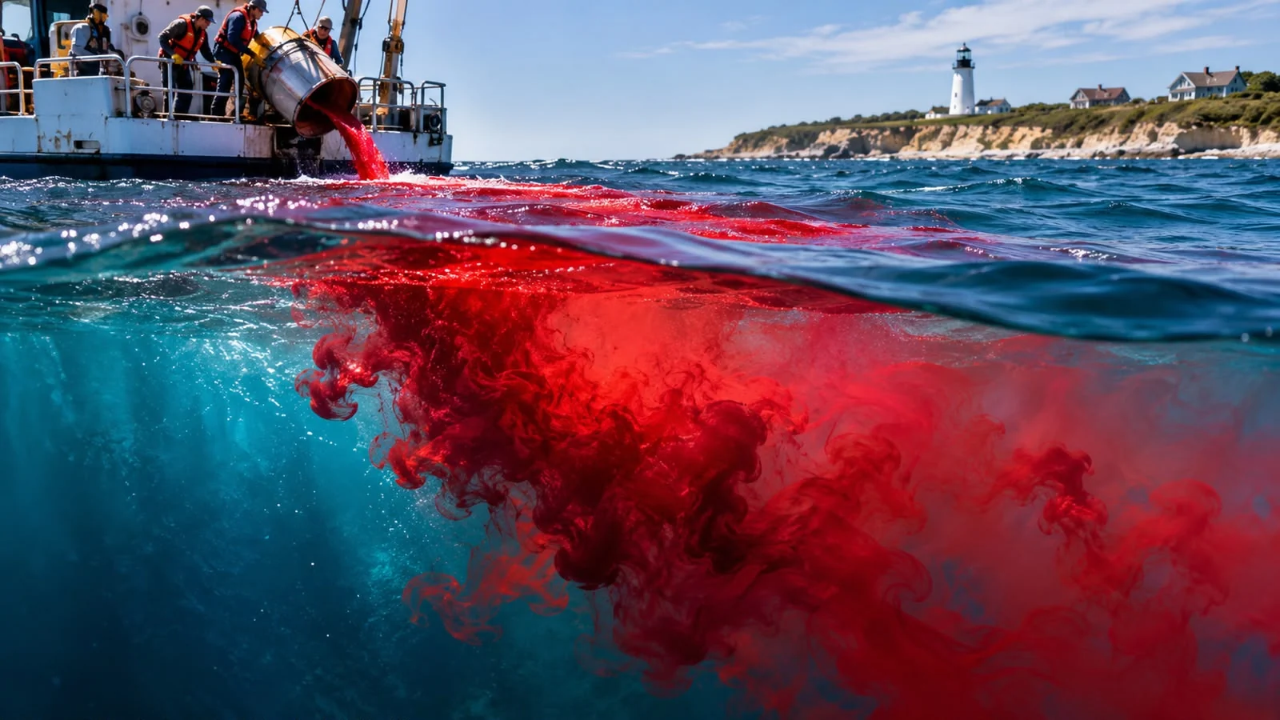
Scientists have documented evidence of a substantial mixing barrier in ocean waters, demonstrating how layered water structures impede the vertical transport of dissolved materials. In a controlled experiment conducted near Martha's Vineyard, researchers introduced rhodamine dye into Atlantic waters to observe its movement patterns across different ocean depths.
The experiment revealed a stark contrast in mixing behavior. While the dye dispersed rapidly through surface waters, its descent into deeper layers occurred at a considerably slower pace. This differential rate of movement underscores the complexity of ocean stratification and its role in controlling how substances move through marine ecosystems.
The stratified structure of ocean waters—where layers of different densities stack vertically—acts as a natural impediment to vertical mixing. Warmer, lighter water near the surface resists mixing with cooler, denser water below, creating distinct boundaries that substances must overcome to penetrate to greater depths.
Researchers emphasize that these findings advance scientific understanding of ocean dynamics, with direct applications for modeling nutrient distribution and pollutant transport. Improved models of vertical mixing are essential for predicting how marine ecosystems will respond to nutrient inputs and how contaminants spread through ocean layers, issues of growing importance for environmental management in coastal and oceanic regions.