Sport · India Bureau
Odisha experts urge genetic screening over astrology for marriage
Medical professionals in Odisha are advocating for sickle cell disease screening as a prerequisite for matrimonial alliances, arguing that genetic compatibility matters far more than astrological charts. Patients and doctors warn that social stigma surrounding the inherited blood disorder remains a greater challenge than the disease itself.
LSN India ·
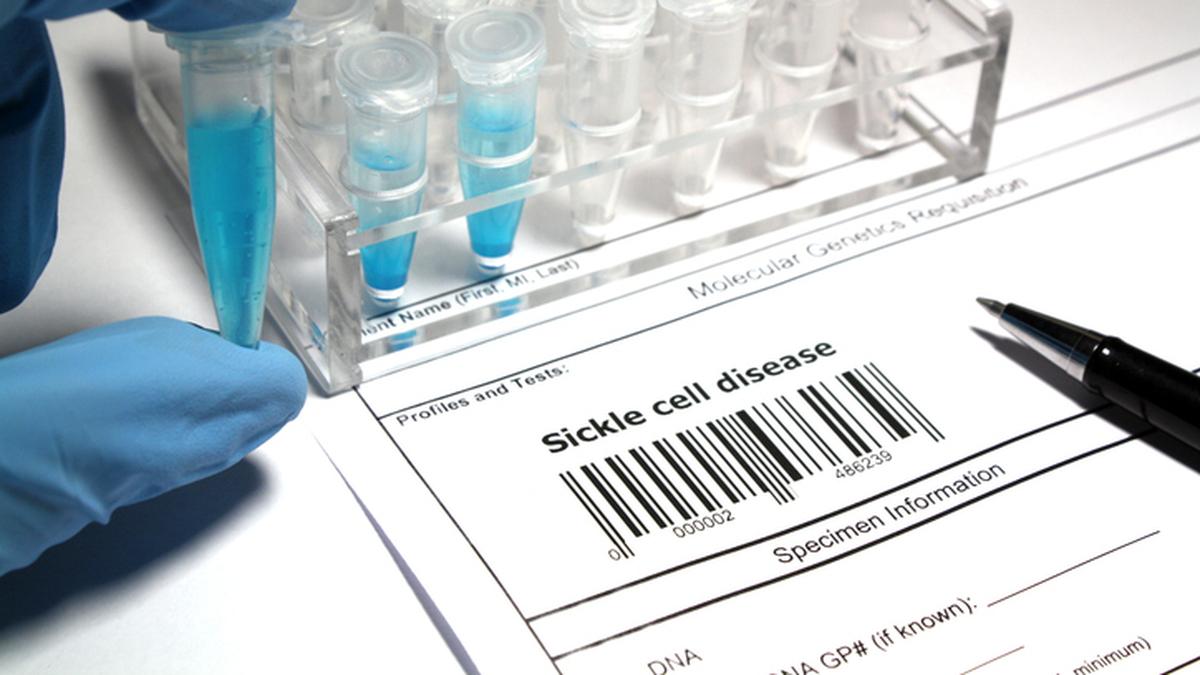
Healthcare experts in Odisha are pushing for a fundamental shift in marriage traditions, recommending that prospective couples undergo sickle cell status screening before tying the knot. The initiative aims to prevent the birth of children with homozygous sickle cell anaemia, a severe form of the genetic blood disorder that causes debilitating pain and other serious complications.
Advocates argue that while the condition itself presents formidable health challenges, the social stigma attached to sickle cell disease often proves even more damaging. Patients living with the disorder frequently face discrimination and social ostracisation, creating a dual burden that compounds their medical struggles.
Sickle cell anaemia is an inherited genetic condition where individuals with two copies of the sickle cell gene develop severe symptoms including chronic pain, organ damage, and reduced life expectancy. Those carrying a single copy—known as sickle cell trait—typically remain asymptomatic but can pass the gene to offspring. Simple blood tests can identify both carriers and affected individuals before conception.
The Odisha initiative represents a broader public health strategy in India to raise awareness about hereditary blood disorders and encourage preventive healthcare measures. Medical professionals contend that replacing age-old matrimonial customs with evidence-based genetic screening could significantly reduce disease prevalence while improving quality of life for future generations.