Politics · India Bureau
Odisha's SEBC Commission expands OBC reservation beyond legal framework
Odisha has moved beyond procedural technicalities in implementing OBC reservations through its SEBC Commission, enabling better representation of socially and educationally backward communities in local governance institutions.
LSN India ·
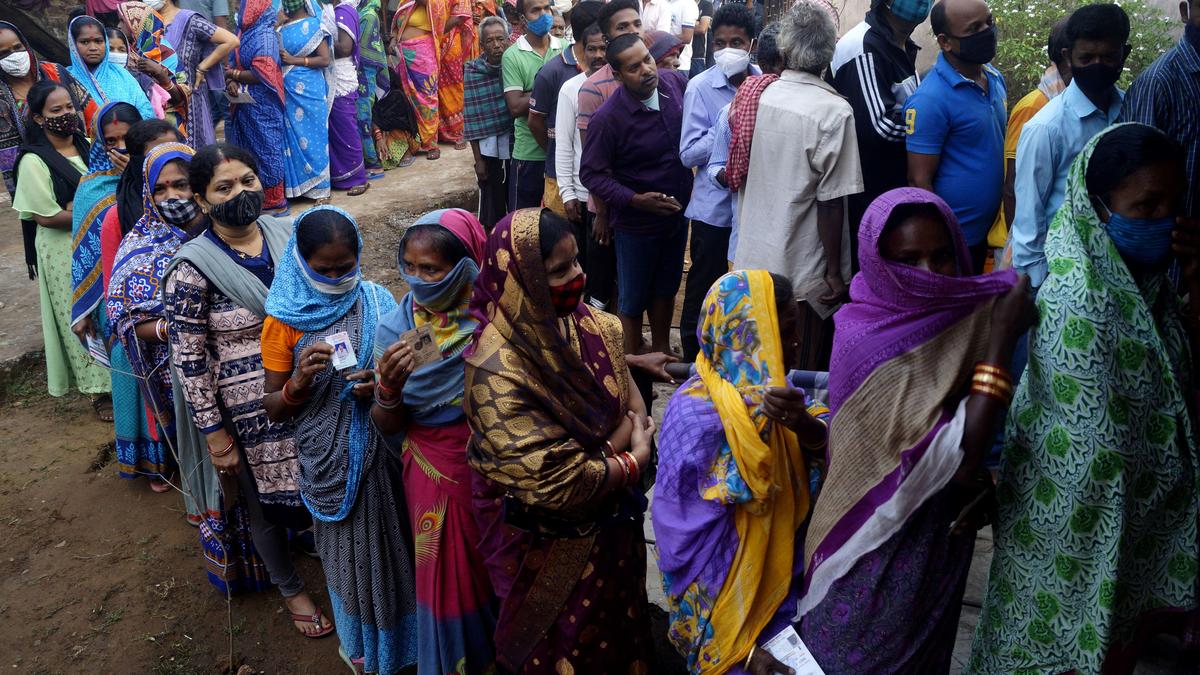
Odisha's establishment of a State Enterprises Backward Classes (SEBC) Commission represents a substantive step forward in addressing representation gaps for backward communities in the state's governance structures, according to observers of the initiative.
The commission is tasked with ensuring that the actual demographic composition and specific concerns of socially and educationally backward classes are accurately reflected in local governance bodies. This approach extends beyond the conventional application of OBC reservation rules, which typically focus on quota percentages and eligibility criteria.
The initiative aims to enhance the visibility and influence of backward communities in both rural and urban self-governance institutions across Odisha. By establishing a dedicated commission to assess community needs and representation levels, the state seeks to move beyond purely technical compliance with reservation mandates toward substantive inclusion.
The commission's work is expected to inform policy decisions regarding reservation implementation in panchayats, municipalities, and other local bodies, potentially setting a template for how states can address representation gaps while respecting constitutional frameworks for backward class protections.
This development reflects broader efforts across Indian states to reconcile formal reservation mechanisms with ground-level realities of community participation and representation in local governance.