Business · World News Bureau
Oil exports surge through Strait of Hormuz despite rising maritime attacks
Energy shipments through the critical Strait of Hormuz have increased even as vessel attacks in the waterway escalate, raising questions about the sustainability of elevated Gulf crude flows amid growing security concerns.
LSN World News ·
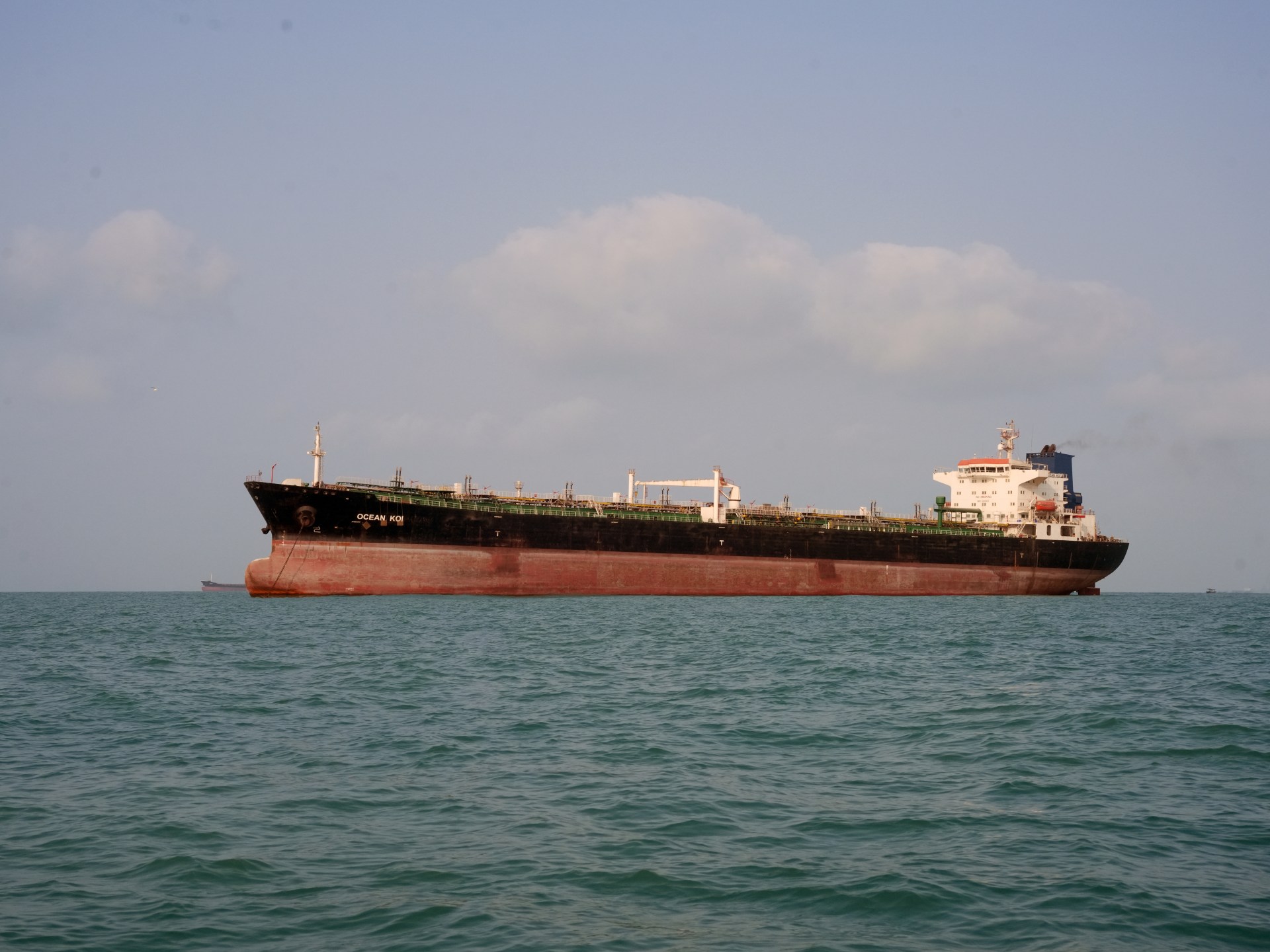
Oil producers in the Persian Gulf are maintaining elevated export volumes through the Strait of Hormuz, one of the world's most strategically important energy corridors, despite a marked uptick in attacks on commercial shipping in the region.
The surge in both oil shipments and maritime incidents underscores the precarious balance between global energy demand and regional security risks. The 21-nautical-mile Hormuz Strait serves as a chokepoint through which roughly one-third of seaborne-traded petroleum passes daily, making it vital to international energy markets.
Analysts are divided on whether current export levels can be sustained without disruption. While Gulf producers have managed to maintain output despite the hostile environment, the accumulating incidents raise concerns about insurers' willingness to cover transits and shipping companies' appetite for risk in the corridor.
Any prolonged disruption to shipping through Hormuz would reverberate across global oil markets and potentially inflate energy costs worldwide. The region's major crude exporters have signalled their commitment to keeping supply flowing, though geopolitical tensions and security incidents continue to create volatility in the energy sector.
Observers note that the situation remains fluid, with the sustainability of elevated exports contingent on whether maritime security incidents remain isolated or escalate into more sustained disruptions of traffic through the critical waterway.