Culture & Entertainment · India Bureau
Oil geologist's canyon retreat became US national park treasure
A petroleum geologist who discovered McKittrick Canyon in 1921 later transformed his private retreat into a conservation legacy. Wallace Pratt's generous land donations ultimately led to the establishment of Guadalupe Mountains National Park.
LSN India ·
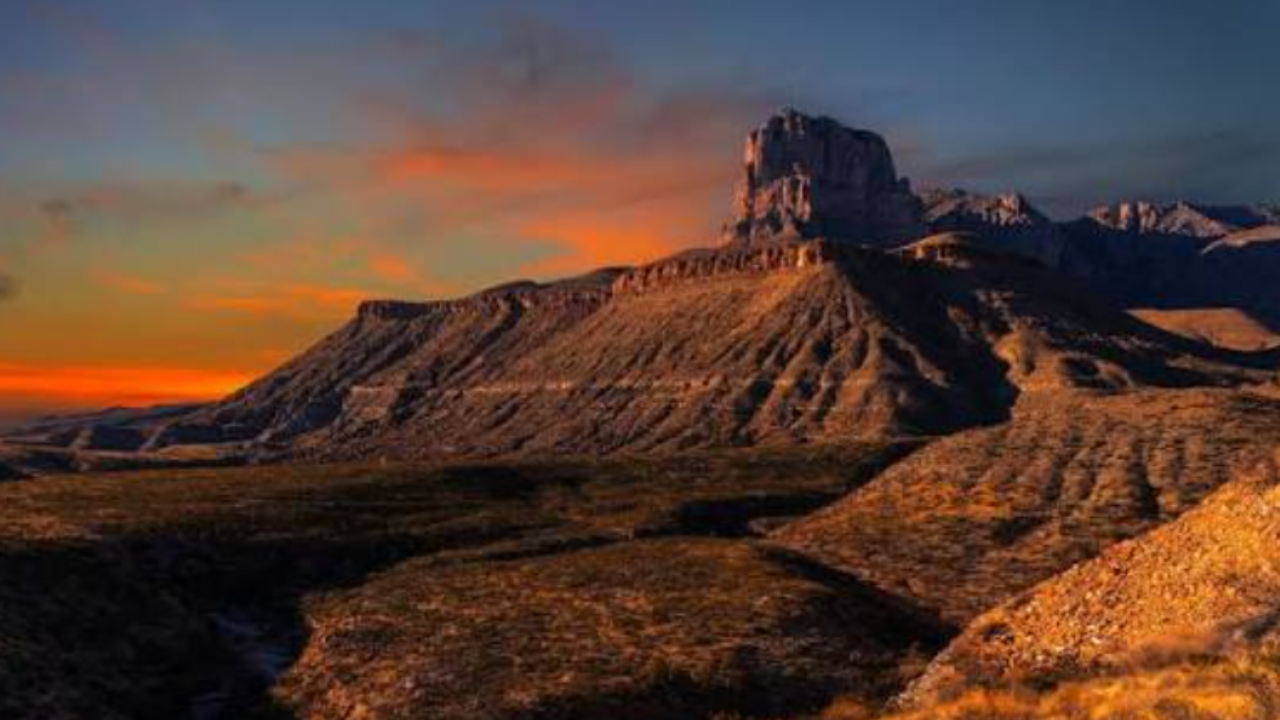
Wallace Pratt, a Texas-based petroleum geologist, first encountered McKittrick Canyon in 1921 and was immediately drawn to its dramatic landscape. The striking natural formation captivated him enough to pursue acquiring land in the area, which he developed into a family retreat and private residence.
Over the following decades, Pratt's relationship with the canyon deepened into a commitment to preservation. Beginning in 1959, he initiated a series of donations that would fundamentally alter the future of the region. His philanthropic vision extended beyond personal stewardship to encompass broader conservation goals.
The culmination of Pratt's conservation efforts came in 1972 with the official establishment of Guadalupe Mountains National Park. His land contributions formed a crucial foundation for the protected area, which now encompasses some of the region's most significant geological and ecological resources.
Today, Pratt's former residences remain standing within the national park boundaries, preserved as historical structures. These buildings serve as educational resources for visitors, offering tangible connections to the park's origins and the vision of one man whose appreciation for natural beauty catalysed decades of land conservation in Texas.