World · Singapore Bureau
Oil majors weigh capital allocation as geopolitical tensions boost profits
Energy companies are facing mounting pressure to decide how to deploy windfall gains from recent Middle East tensions that have pushed crude prices to multi-year highs. The sector's trading operations have reaped significant benefits from volatility in the Strait of Hormuz, a critical chokepoint for global energy supplies.
LSN Singapore ·
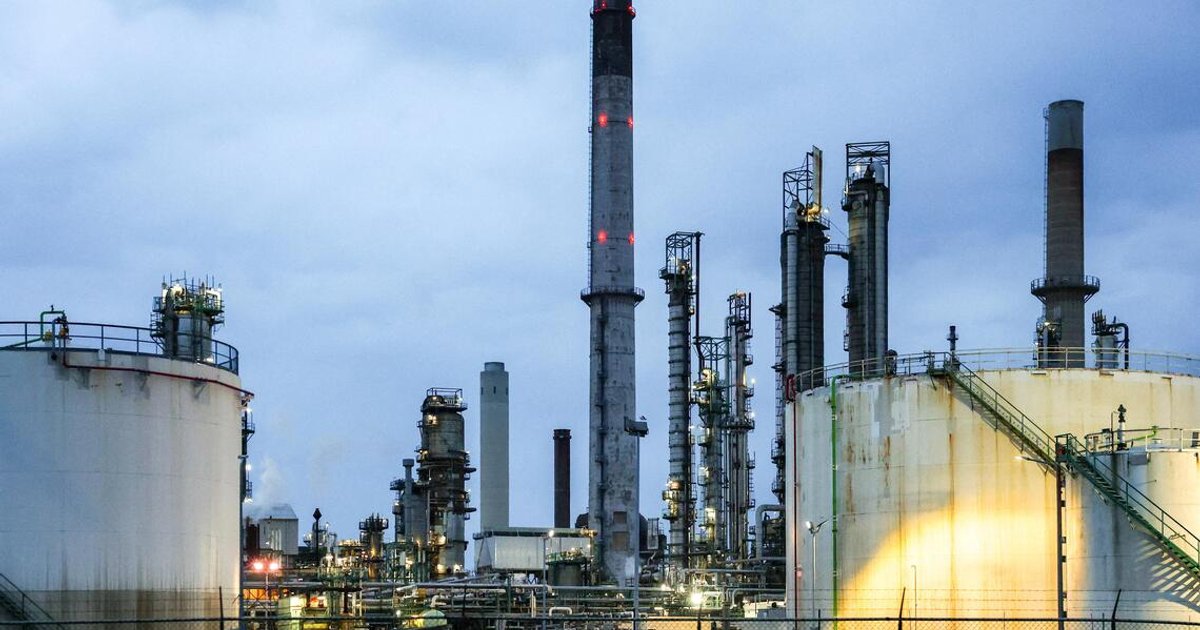
Recent geopolitical developments in the Middle East have triggered a sharp rally in energy markets, with crude prices reaching levels not seen in years following concerns over potential disruptions through the Strait of Hormuz, one of the world's most vital shipping routes for oil and gas. The surge has delivered substantial profits to oil majors' trading divisions, which have capitalised on the heightened price volatility across futures markets and physical energy transactions.
For major energy companies, the windfall presents a strategic decision point. Some have flagged potential increases in shareholder returns, including dividends and share buyback programmes, while others are considering ramped-up capital expenditure to accelerate exploration and production projects. The timing coincides with industry debates over long-term investment in fossil fuel extraction versus the transition to renewable energy sources.
Market observers note that elevated energy prices provide a buffer for energy firms to weather economic uncertainties and fund operations with greater financial flexibility. However, analysts caution that current price levels may not be sustainable, particularly if geopolitical tensions ease. This uncertainty is prompting energy majors to carefully evaluate their deployment strategies to ensure capital is allocated efficiently regardless of market direction.
For Singapore and the broader Asia-Pacific region, which depends heavily on stable energy imports, the situation underscores the importance of supply chain resilience and the potential economic impact of Middle East disruptions on energy-dependent economies throughout the region.