Business · India Bureau
Oil Price Dip, Rupee Strength Offer Temporary Relief for India
Recent gains from lower crude oil prices and rupee appreciation provide short-term economic respite for India, though analysts warn these developments do not address deeper structural challenges facing the economy.
LSN India ·
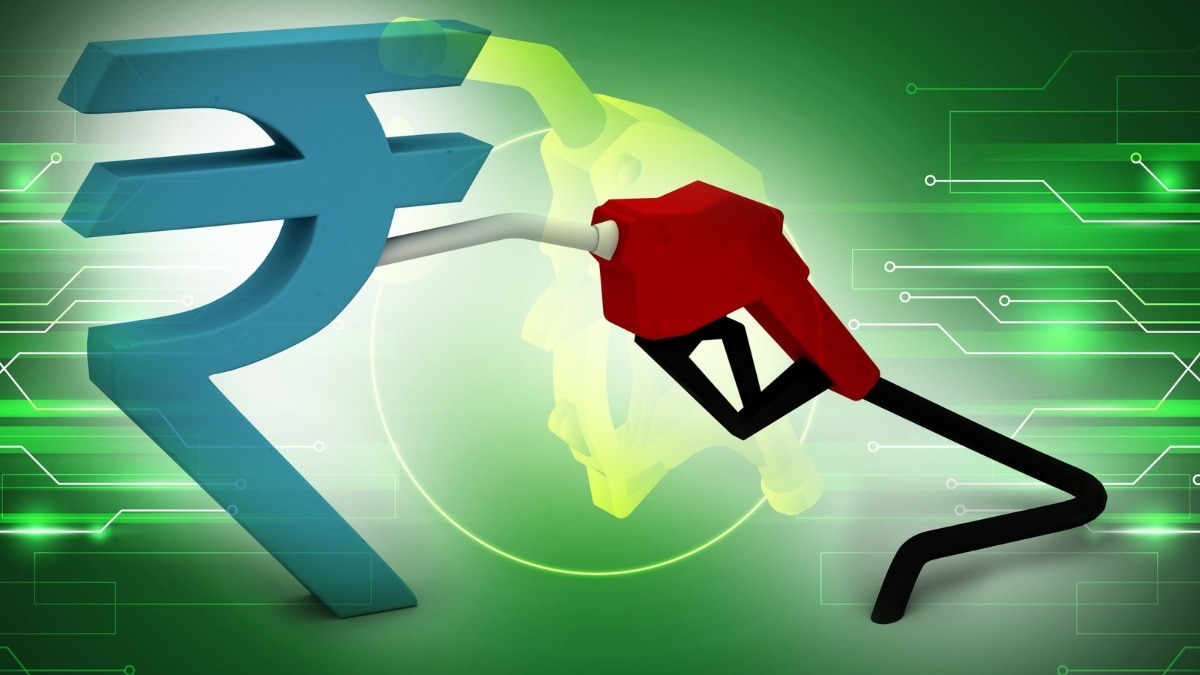
India's economy is experiencing temporary relief from two favorable external factors: falling global oil prices and strengthening of the rupee against the US dollar. Lower crude costs reduce import bills and ease pressure on the current account deficit, while rupee recovery improves purchasing power for Indian consumers and reduces debt servicing costs for companies with foreign currency liabilities.
However, economists caution that these tailwinds represent a temporary reprieve rather than a sustainable turnaround. Crude oil prices remain volatile and subject to geopolitical shocks, meaning cost advantages could reverse quickly. Similarly, rupee strength depends on global capital flows and interest rate differentials that may shift as monetary policy cycles change across major economies.
The underlying challenges facing India's economy—including moderating growth rates, inflationary pressures, and fiscal constraints—persist regardless of commodity prices or currency movements. Policymakers must focus on structural reforms to boost productivity, encourage investment, and strengthen competitiveness to ensure durable economic expansion.
While the combination of cheaper oil imports and a stronger rupee provides welcome breathing room for households and businesses, sustained economic improvement will require addressing fundamental growth drivers beyond favorable external conditions. Market observers remain cautious about overestimating the impact of these cyclical factors on India's medium-term economic trajectory.