World · India Bureau
Oil prices decline as Iran, Oman resume crucial strait negotiations
Global crude markets retreated following reports that Iran and Oman have resumed diplomatic talks aimed at reopening the strategically vital Strait of Hormuz. The development eased concerns over potential supply disruptions in one of the world's most critical energy chokepoints.
LSN India ·
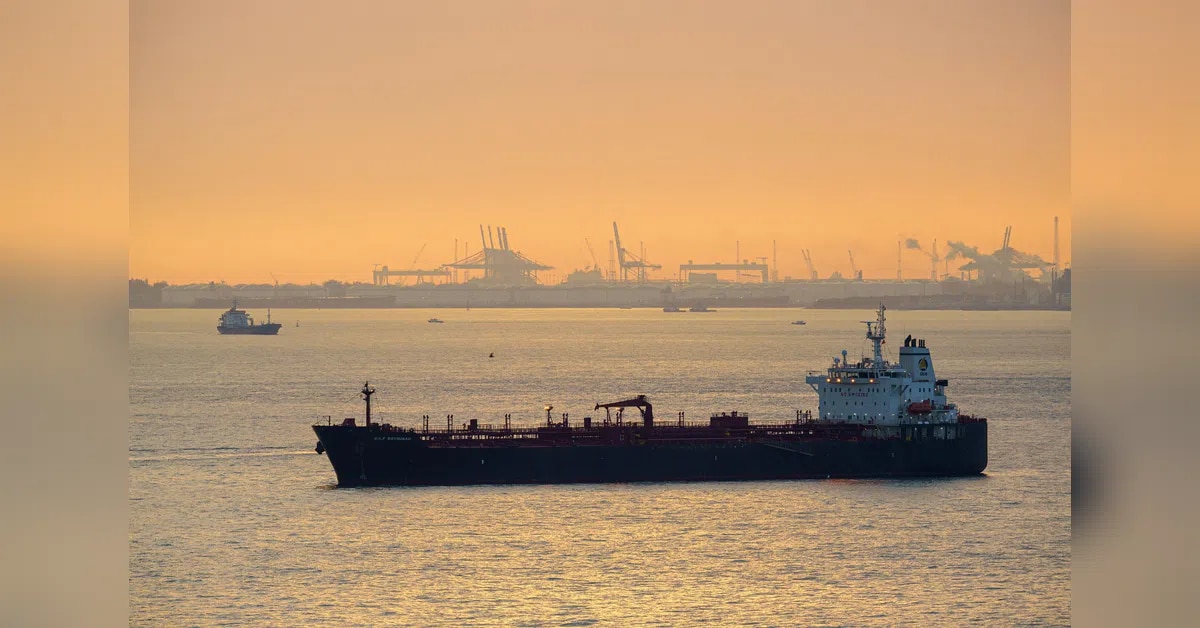
Brent crude futures fell $1.78 per barrel, or 2.0%, to close at $86.80 a barrel in early Asian trading, while US West Texas Intermediate crude slipped $1.49, or 1.8%, to $80.87 a barrel. The decline reflected investor relief following news of renewed negotiations between Tehran and Muscat over the waterway that handles approximately one-third of global seaborne crude oil trade.
The Strait of Hormuz, connecting the Persian Gulf to the Gulf of Oman, remains one of the world's most strategically important maritime passages. Any prolonged closure or disruption to shipping lanes through the strait would send shockwaves through global energy markets, particularly affecting supplies destined for Asia.
The resumption of talks between the two nations signals a de-escalation of tensions that had previously stoked concerns over potential blockades or restrictions on vessel transit. Market analysts attributed the modest pullback in crude prices to heightened optimism that diplomatic channels remain open, reducing the probability of a supply crisis in the near term.
India, as one of Asia's largest crude oil importers, maintains significant exposure to fluctuations in Hormuz-related geopolitical risks. Sustained stability in the region remains crucial for New Delhi's energy security and inflation management, as crude price movements directly influence domestic fuel costs and broader economic conditions.