Culture & Entertainment · India Bureau
Oil windfall transformed boy's fortune into cultural legacy
A 160-acre land allotment received by a nine-year-old in Oklahoma a century ago became the foundation for one of America's most significant collections of Native American history and art. The oil wealth generated from the property enabled the creation of a major museum dedicated to preserving Indigenous cultural heritage.
LSN India ·
Thomas Gilcrease was nine years old in 1899 when he received a 160-acre land allotment in Oklahoma. At the time, the parcel was of modest value, but the discovery of oil nearby transformed his circumstances dramatically. By 1917, just 18 years later, his property had been developed into a productive oil field with 32 active wells.
The substantial wealth generated from oil extraction provided Gilcrease with the resources to pursue his passion for collecting. He began systematically acquiring artifacts, artworks, documents and historical materials related to Native American civilization and history. His collecting efforts grew increasingly ambitious over the decades, encompassing thousands of pieces that documented the diverse cultures, traditions and contributions of Indigenous peoples across North America.
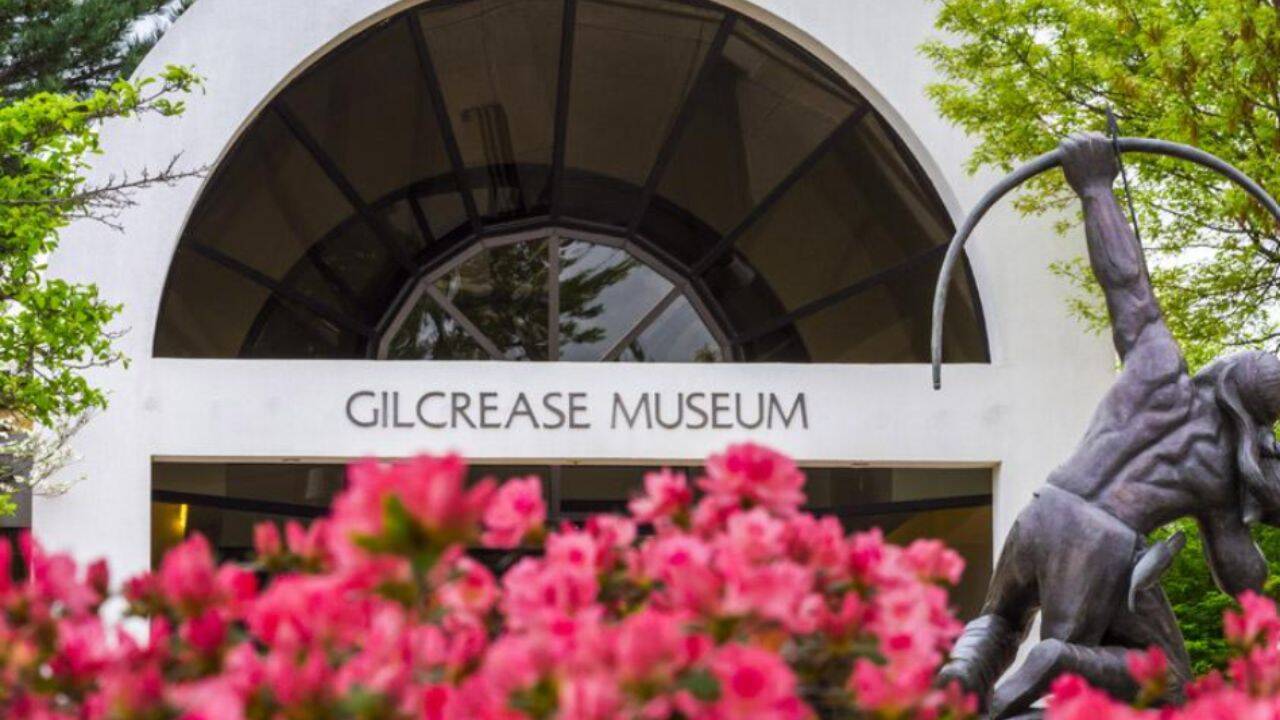
In Tulsa, Oklahoma, Gilcrease established a museum bearing his name to house his extensive collection. The institution became a major repository for Native American cultural heritage, preserving important records, artistic works and historical documents that might otherwise have been lost or dispersed. The Gilcrease Museum has since grown into a recognized center for studying and appreciating Indigenous American history and culture, fulfilling the collector's vision of making these materials accessible to scholars, students and the public.