World · Singapore Bureau
Older adults reinvent retirement as springboard for new ventures
A growing number of seniors across the region are rejecting traditional notions of retirement, instead using their later years as an opportunity to pursue fresh careers, businesses and personal projects. The shift reflects changing attitudes toward aging and the financial realities facing retirees in modern economies.
LSN Singapore ·
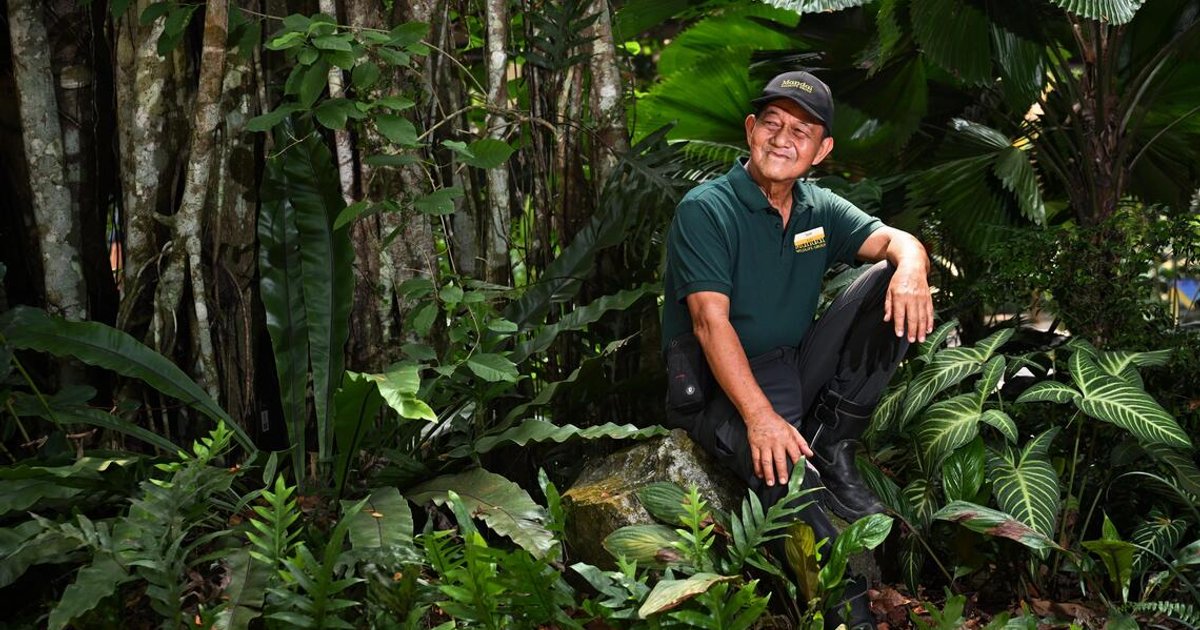
Retirement, long viewed as a period of gradual withdrawal from work and public life, is being fundamentally reimagined by older adults who see it as a chance to launch ambitious new endeavors. Rather than viewing their post-career years solely through the lens of leisure, many seniors are channeling accumulated experience, skills and time into second acts that range from entrepreneurship to creative pursuits and community engagement.
The phenomenon reflects multiple converging factors shaping retirement across South and Southeast Asia. Longer life expectancies mean retirees face 20 or 30 years of active living ahead, while pension systems and savings often prove insufficient to sustain comfortable lifestyles without supplemental income. Simultaneously, many older adults report that meaningful work and purpose remain central to their sense of fulfillment and identity.
From launching small businesses to volunteering in capacities that leverage professional expertise, retirees are finding that their transition away from traditional employment need not signal a withdrawal from productive, contributive roles. Educational institutions, nonprofits and emerging ventures increasingly recognize the value that experienced older workers bring, creating pathways for continued engagement beyond conventional retirement ages.
This reframing of retirement carries implications for policymakers, employers and broader society, suggesting a need to rethink assumptions about aging and economic participation. As more seniors demonstrate capacity and desire for continued contribution, questions arise about how systems can better accommodate flexible work arrangements, skills-based volunteerism and later-life entrepreneurship across the region.