World · World News Bureau
Oman port becomes crucial hub for midstream oil transfers
Sohar port is emerging as a vital alternative route for ship-to-ship oil transfers as regional tensions continue to disrupt traditional Strait of Hormuz shipping lanes. The transfers carry significant operational and environmental risks despite offering a workaround to shipping disruptions.
LSN World News ·
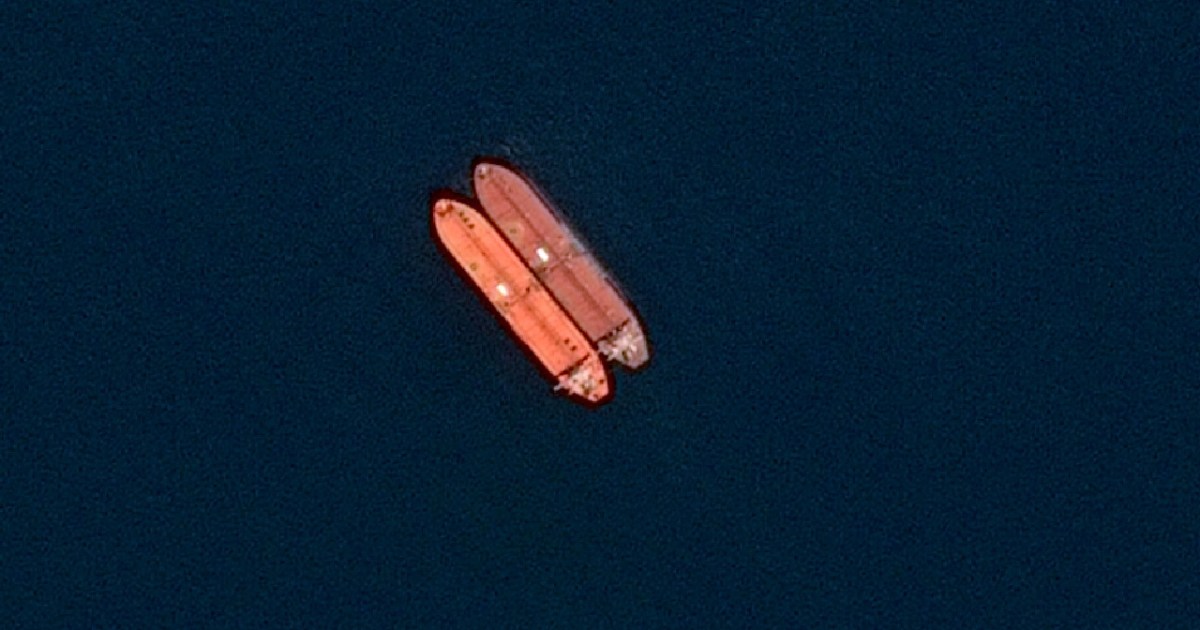
Oman's Sohar port has increasingly become a focal point for ship-to-ship oil transfers, as regional geopolitical tensions persist in disrupting conventional maritime routes through the Strait of Hormuz. The practice allows tankers to exchange cargo at sea, enabling oil to reach global markets despite ongoing blockade threats that have constrained traditional shipping channels.
Ship-to-ship transfers, known as STS operations in maritime terminology, involve the transfer of crude oil or refined products between vessels in close proximity. While the technique is not new, its growing prevalence at Sohar reflects the strategic importance of finding alternative logistics solutions in a region where approximately one-third of globally traded oil typically passes through the Hormuz Strait.
However, these operations present substantial operational challenges and environmental concerns. STS transfers require precise coordination between vessels, favorable weather conditions, and specialized equipment. Poor visibility, rough seas, or equipment failure can result in spills and create hazardous working conditions for crews involved in the transfer process.
The use of Sohar as a transfer hub underscores the fragility of Middle Eastern energy infrastructure and the lengths to which shipping companies will go to maintain supply chain continuity. As regional instability continues, port facilities outside the Hormuz Strait are likely to remain critical alternatives for global oil trade.