World · World News Bureau
Oman positioned to broker Gulf security arrangement, analysts say
The sultanate's historical neutrality and diplomatic ties across the region place it in an ideal position to mediate negotiations on a non-aggression pact that could reduce tensions among Gulf states.
LSN World News ·
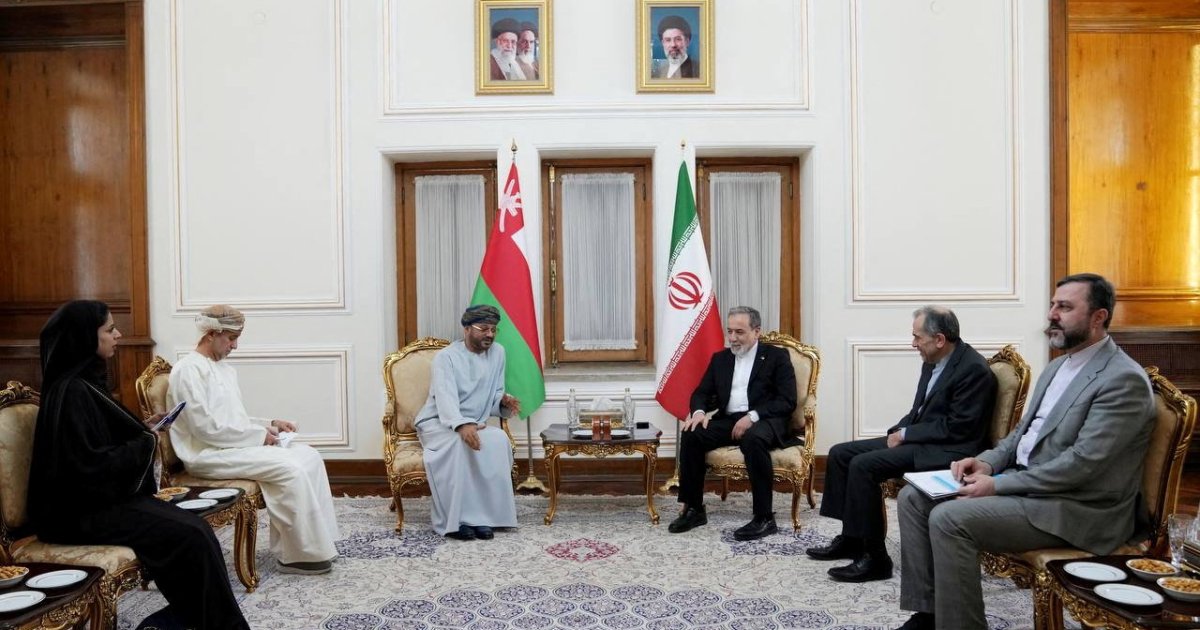
Oman's long-standing policy of non-alignment has established it as a trusted interlocutor among regional powers with competing interests, positioning the sultanate uniquely to facilitate dialogue on a comprehensive security framework for the Persian Gulf.
The proposed non-aggression pact would represent a significant step toward de-escalation in a region prone to interstate rivalry and proxy conflicts. Such an arrangement could establish binding commitments against military aggression, create mechanisms for dispute resolution, and build confidence among signatories through transparency measures and regular consultations.
Oman's traditional role as a neutral party has proven effective in past diplomatic initiatives. The sultanate maintains constructive relationships with Iran, Saudi Arabia, the United Arab Emirates, and other regional actors—a diplomatic balancing act few nations have successfully managed. This acceptance across ideological and geopolitical divides makes Oman a credible convener for multilateral talks.
Regional analysts note that establishing such a pact would require careful negotiation to address security concerns while respecting the sovereignty and strategic interests of each participating state. The framework would need to accommodate existing security arrangements and alliance commitments while creating space for improved relations.
A successful non-aggression agreement could have ripple effects beyond the immediate signatories, potentially reducing military expenditures, lowering the risk of miscalculation, and creating conditions for broader economic and diplomatic cooperation across the Gulf.