World · India Bureau
Omani Co-pilot's Religious Practices Raised Concerns Among Crew
A fellow pilot has raised questions about the conduct of an Omani co-pilot, citing excessive prayers during flight duties and refusal to shake hands with female colleagues. The account highlights ongoing workplace conduct concerns in aviation operations.
LSN India ·
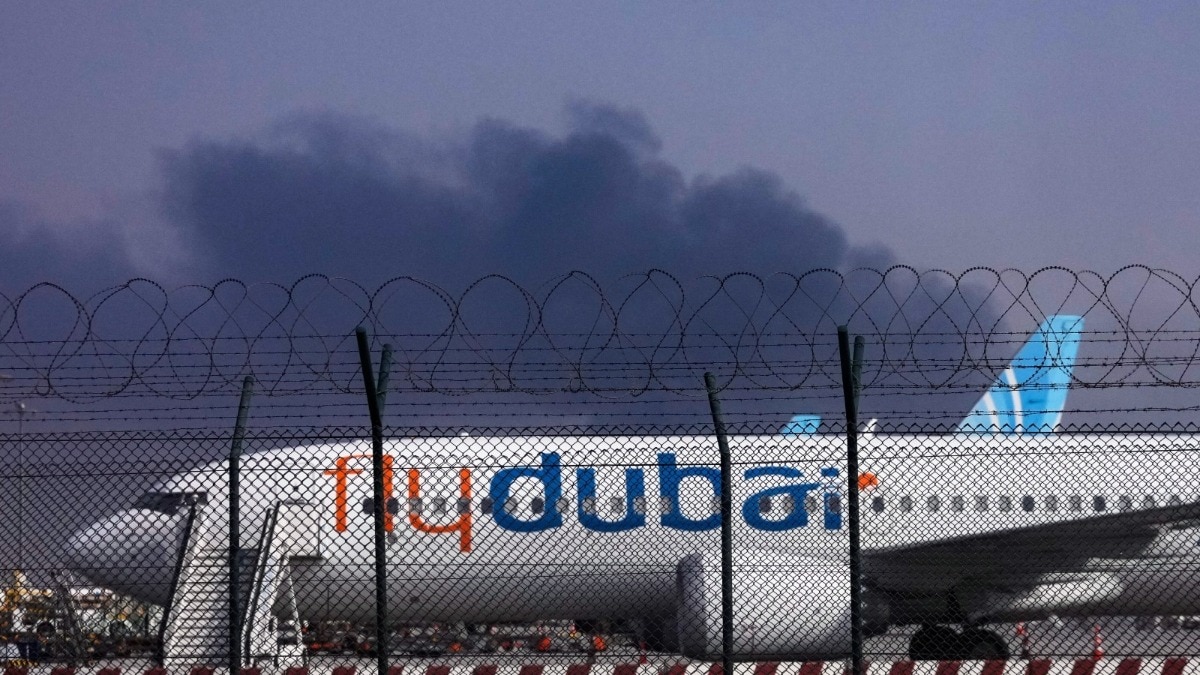
An Omani co-pilot's workplace behavior has come under scrutiny following allegations by a fellow aircrew member regarding his religious observance practices and interaction with female staff members. According to the report, the co-pilot engaged in excessive prayer during flight operations and declined to engage in customary handshakes with women colleagues, departing from standard professional protocols observed in international aviation.
The allegations underscore ongoing tensions between personal religious practices and professional conduct expectations in aviation, an industry where standardized protocols and clear communication channels are essential for safety and operational efficiency. Airlines operating in the Middle East and South Asia regions frequently navigate complex workplace dynamics where religious observance intersects with international professional standards.
The incident raises broader questions about how aviation authorities and airlines balance respect for individual religious beliefs with the demands of professional flight operations. International civil aviation standards require all crew members to maintain consistent communication and adherence to established protocols regardless of personal convictions.
While specific details regarding formal investigations or regulatory responses remain limited, the matter reflects growing attention to crew conduct and workplace culture within regional aviation sectors. Airlines across South and Southeast Asia have increasingly emphasized standardized training and professional conduct guidelines to address similar concerns and ensure operational safety.