Culture & Entertainment · Singapore Bureau
One-handed backhand era ends at U.S. Open as Shelton advances
Ben Shelton's quarter-final victory over Stefanos Tsitsipas at the U.S. Open has eliminated the last player wielding a one-handed backhand from the men's draw, marking the end of a 149-year Grand Slam streak for the classic tennis stroke.
LSN Singapore ·
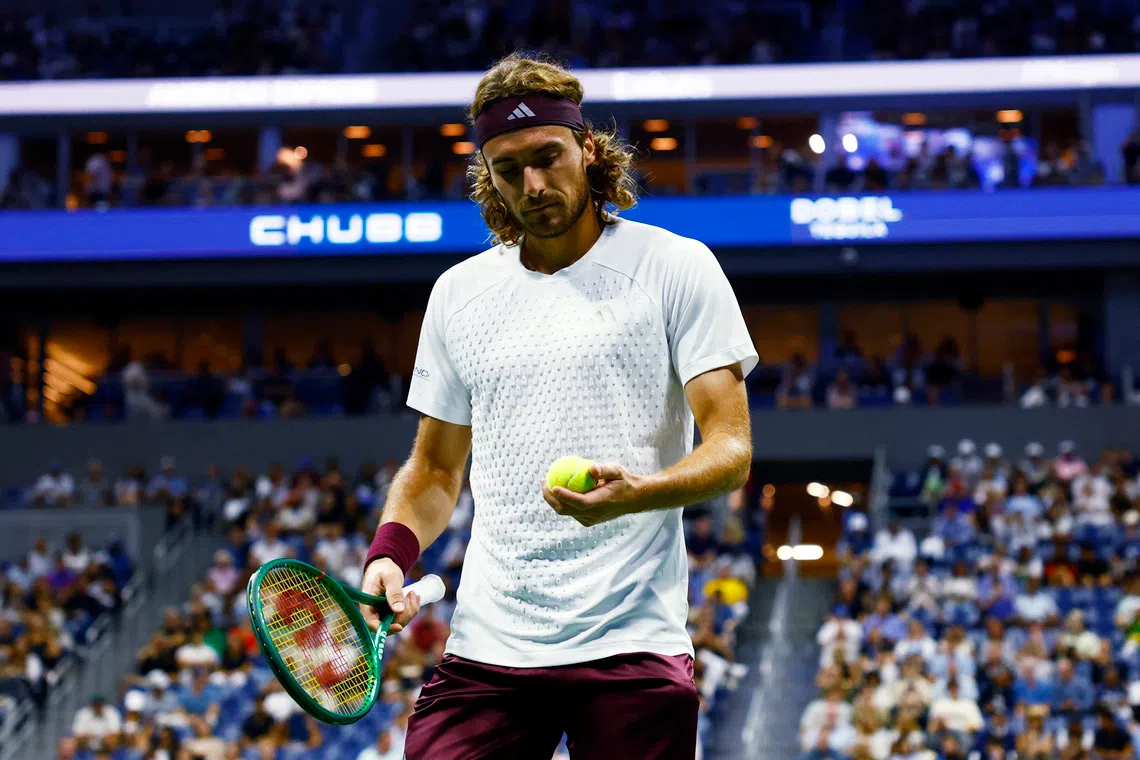
NEW YORK — The elimination of Stefanos Tsitsipas from the U.S. Open on Sunday represents a symbolic turning point in professional tennis, as the Greek player's departure removes the final one-handed backhand from the men's competition at Flushing Meadows.
Tsitsipas's loss to American prospect Ben Shelton in the round of 16 ended an era that has spanned 149 years of Grand Slam tennis history. The one-handed backhand, once a hallmark of the sport's greatest players, has gradually ceded ground to the two-handed variant, which offers greater power and consistency for modern competitors.
The transition reflects broader changes in tennis technique and tactics over recent decades. While the one-handed backhand was long considered the mark of a refined all-court player, contemporary coaching methods and equipment innovations have made the two-handed approach dominant at elite levels of competition.
Tsitsipas, who has championed the classical one-handed style throughout his career, becomes the last man standing with the stroke at this year's Grand Slam events. His departure from New York marks a notable moment for tennis traditionalists who view the one-handed backhand as an essential element of the sport's technical heritage.