Business · Vietnam Bureau
One in six South Korean Gen Z adults using weight-loss drugs
A new survey reveals that approximately 17 percent of Generation Z adults in South Korea have used or been prescribed GLP-1 obesity medications in the past year, significantly outpacing usage rates among older generations.
LSN Vietnam ·
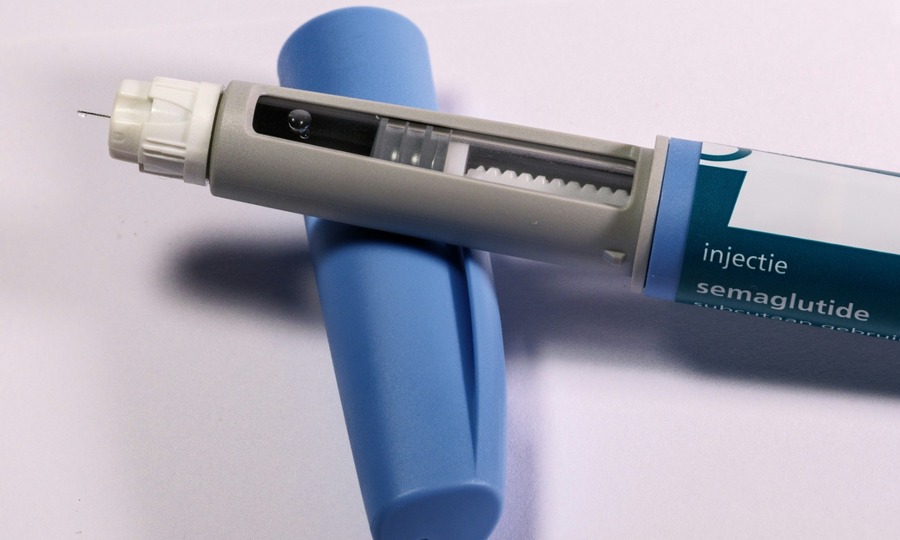
South Korea has emerged as a major adopter of glucagon-like peptide-1 (GLP-1) obesity drugs, with younger adults leading the trend, according to research conducted by KB Financial Group. The survey found that roughly one in six Gen Z adults in the country used or received prescriptions for medications such as Wegovy and Mounjaro over the past 12 months, representing the highest usage rate across all generational demographics.
The widespread uptake of GLP-1 drugs among younger South Koreans reflects broader global trends, as these medications have gained significant popularity in recent years. Originally developed to treat type 2 diabetes, GLP-1 receptor agonists have been increasingly prescribed off-label for weight management and obesity treatment. The drugs have shown effectiveness in helping users lose substantial amounts of weight.
The disproportionately high usage among Gen Z reflects several factors, including greater familiarity with newer pharmaceutical options, higher social media exposure to weight-loss trends, and potentially different attitudes toward medical interventions compared to older generations. South Korea, known for its emphasis on aesthetic standards and competitive beauty culture, has proven particularly receptive to such treatments.
The survey data underscores how rapidly weight-loss pharmaceuticals are being integrated into mainstream healthcare and lifestyle management practices in developed Asian markets. As demand for GLP-1 drugs continues to rise globally, healthcare systems and regulators across the region are increasingly examining the implications for public health policy and pharmaceutical supply chains.