Politics · Singapore Bureau
Ong Teng Cheong proved elected presidency scheme viable, says Jayakumar
Former Senior Minister S Jayakumar has highlighted how Ong Teng Cheong's tenure demonstrated that the elected presidency framework could function effectively with an independent-minded officeholder. Jayakumar recalled how younger ministers had raised concerns about the original proposal for the institution.
LSN Singapore ·
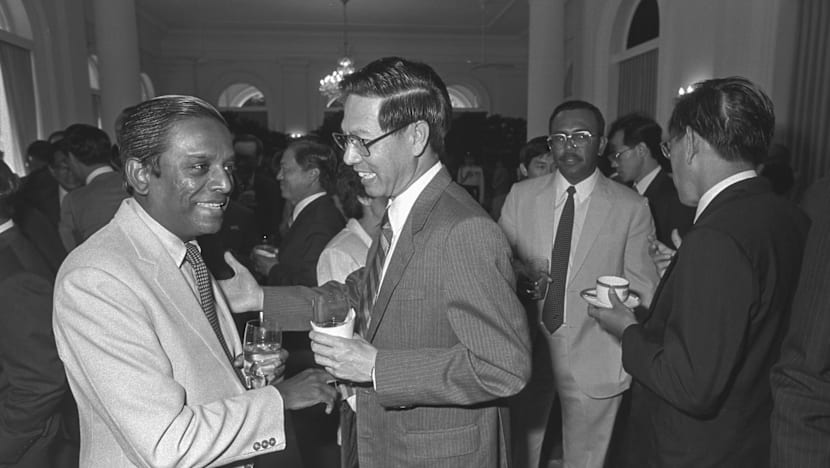
S Jayakumar, the former Senior Minister, has provided fresh insights into the development of Singapore's elected presidency scheme, crediting Ong Teng Cheong with validating the constitutional framework through his independent approach to the role.
Jayakumar recounted how younger members of the Cabinet had voiced reservations about the original proposal for an elected presidency put forward by Lee Kuan Yew. These concerns prompted a willingness to refine and modify the scheme before its implementation, reflecting the government's openness to input during the policy formulation process.
Ong's subsequent performance in the role served as a practical test of the system's viability, according to Jayakumar. The late president's tenure demonstrated that the elected presidency could accommodate officeholders who exercised independent judgment, thereby fulfilling a key objective of the institutional design.
The elected presidency was introduced in 1993 as a constitutional safeguard, with the president empowered to exercise custodial powers over reserves and key appointments. Ong served as the first elected president from 1993 to 1999, establishing important precedents for the office during his six-year tenure.