Technology · India Bureau
Online debate intensifies over Ramayana's portrayal of antagonist Ravana
Internet discussions have reignited questions about whether classical Hindu texts inadvertently romanticize the demon king Ravana, challenging traditional interpretations of the ancient epic.
LSN India ·
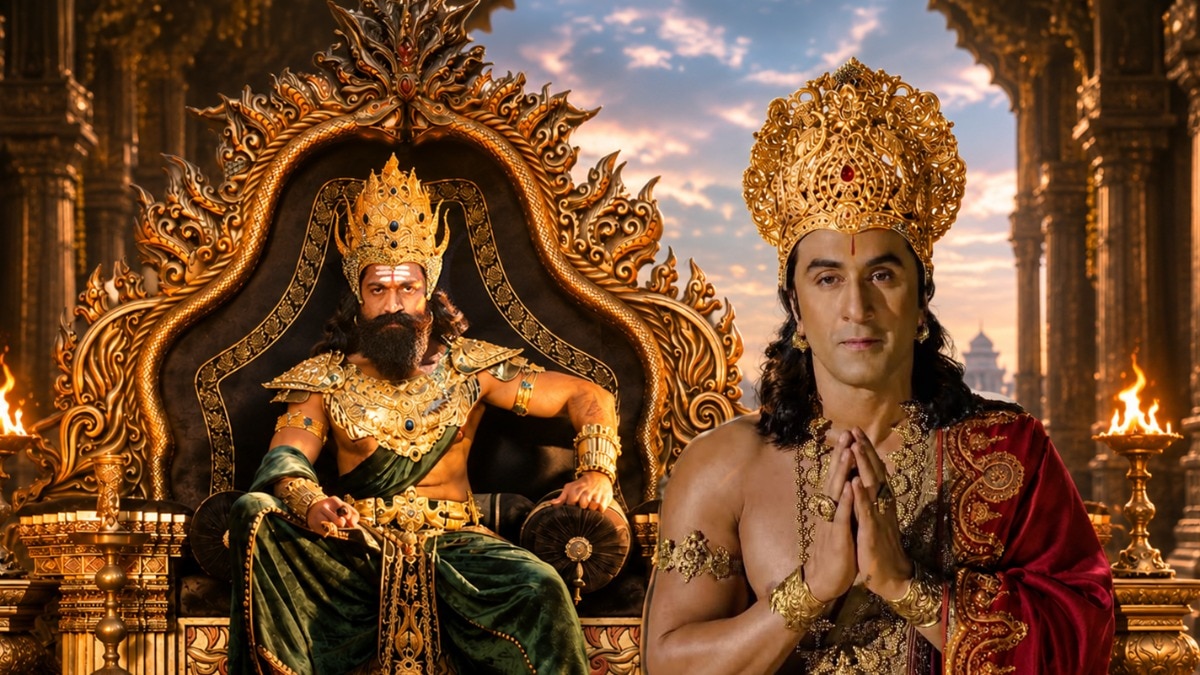
Social media platforms and digital forums have become venues for substantive debate regarding the characterization of Ravana in the Ramayana, one of Hinduism's most revered foundational texts. Users across India's online communities are questioning whether certain passages and interpretations present the ten-headed demon king in a manner that elevates rather than condemns his actions, particularly concerning his abduction of Sita.
Traditional scholarship has long positioned Ravana as the archetypal antagonist whose defeat by Rama represents the triumph of dharma over adharma. However, contemporary readers are pointing to textual elements that portray Ravana as intellectually formidable, devoted to his principles, and possessed of considerable learning and power. These observers argue that such characterizations may inadvertently create sympathetic dimensions to a figure explicitly presented as antagonistic to dharmic order.
Scholars and cultural commentators have noted that this reexamination reflects broader generational shifts in how ancient texts are engaged with in the digital age. The debate encompasses questions about how classical narratives are transmitted, interpreted, and what responsibilities modern audiences bear when revisiting foundational cultural materials.
The discussion remains largely academic and philosophical in nature, with participants emphasizing the complexity of interpreting multi-layered ancient narratives. Religious leaders and scholars continue to maintain that the Ramayana's core message remains centered on righteous conduct and the consequences of transgression, while acknowledging that literary complexity permits multiple readings of individual characters within the epic's framework.