Politics · Malaysia Bureau
OPEC+ to maintain current output levels amid Middle East tensions
OPEC+ is expected to hold its oil production policy steady in October as geopolitical tensions in the Middle East continue to disrupt crude flows through a critical shipping chokepoint. The cartel's decision comes as regional instability limits its ability to influence global oil prices and market dynamics.
LSN Malaysia ·
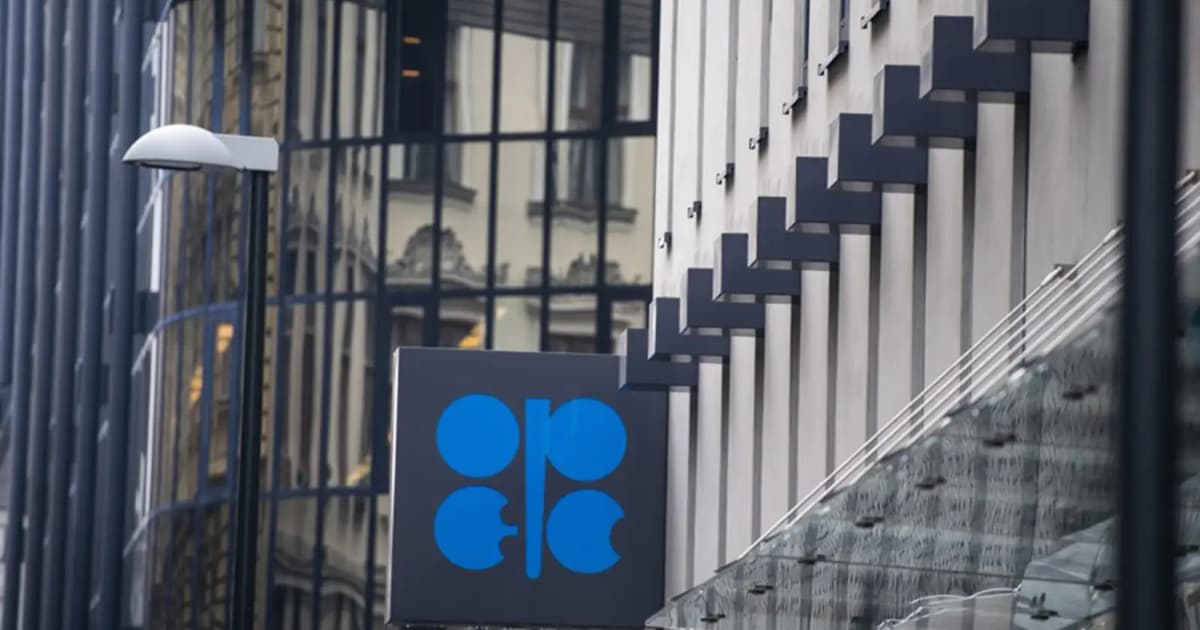
OPEC+ is poised to keep its October oil production quotas unchanged, according to sources tracking the coalition's policy deliberations. The decision reflects the organization's cautious approach as it navigates volatile market conditions driven by geopolitical tensions beyond its direct control.
Tensions in the Middle East have intensified disruptions to oil shipments transiting the Strait of Hormuz, one of the world's most critical energy corridors through which a significant portion of global crude supplies pass. These supply interruptions have constrained OPEC+'s ability to manage prices and maintain its desired market share, shifting dynamics in the global petroleum market.
The coalition of OPEC members and allied producers, including Russia, has faced mounting pressure to balance production decisions with regional instability. By maintaining current output levels, OPEC+ appears to be adopting a holding pattern until the geopolitical situation stabilizes or shows clearer direction.
Energy analysts expect the cartel's production policy to remain a focal point for global markets, particularly as crude prices remain sensitive to supply disruptions in the Middle East. The outcome of OPEC+'s October decision will likely influence forecasts for fourth-quarter energy costs across Asia and beyond.