World · Singapore Bureau
Open dialogue with children crucial to combating drug abuse, experts say
Drug prevention specialists across South and Southeast Asia emphasize that parental engagement and frank conversations are essential tools in protecting young people from substance abuse. Research demonstrates that children who discuss drugs openly with their families are significantly less likely to experiment with illicit substances.
LSN Singapore ·
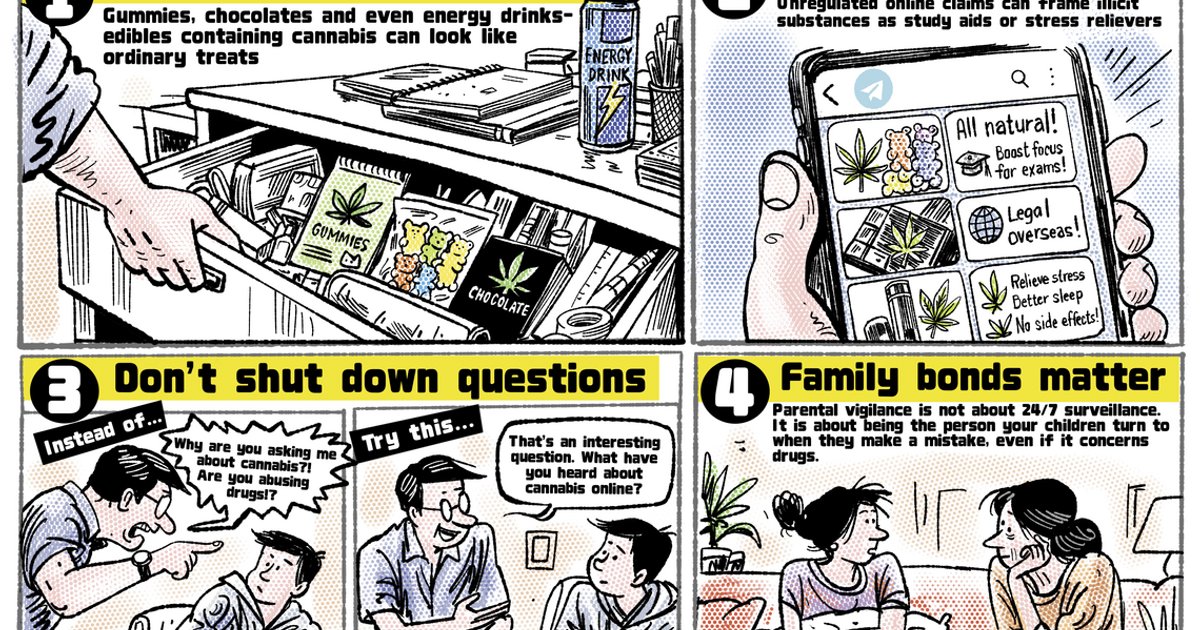
Parents and guardians remain frontline defenders against youth drug experimentation, according to drug prevention advocates working across the region. Rather than avoiding uncomfortable conversations, experts recommend that caregivers initiate age-appropriate discussions about the dangers and realities of drug use before adolescents encounter such substances in their social environments.
The effectiveness of parental involvement in drug prevention programs has been consistently documented in studies examining youth behavior and substance abuse patterns. When families establish open communication channels, young people are more inclined to seek guidance from trusted adults when facing peer pressure or curiosity about drugs.
Effective conversations about drug abuse should include factual information about health consequences, legal ramifications, and social impacts of substance dependence. Experts recommend that parents listen actively without judgment, create safe spaces for questions, and model responsible decision-making regarding all substances, including alcohol and tobacco.
Schools and community health organizations throughout South and Southeast Asia increasingly coordinate with parents to reinforce prevention messages. By combining professional drug education programs with consistent family dialogue, communities can significantly reduce youth vulnerability to substance abuse and support early intervention when warning signs emerge.
Regional health agencies encourage parents to seek resources and training in having these critical conversations, recognizing that family bonds and parental guidance remain the most powerful protective factors against youth drug involvement.