Technology · World News Bureau
Open-weight AI models emerge as key battleground in US-China technology competition
The race to develop and control open-weight artificial intelligence systems has become a critical flashpoint in broader US-China technological rivalry, with both nations pursuing divergent strategies to gain competitive advantage.
LSN World News ·
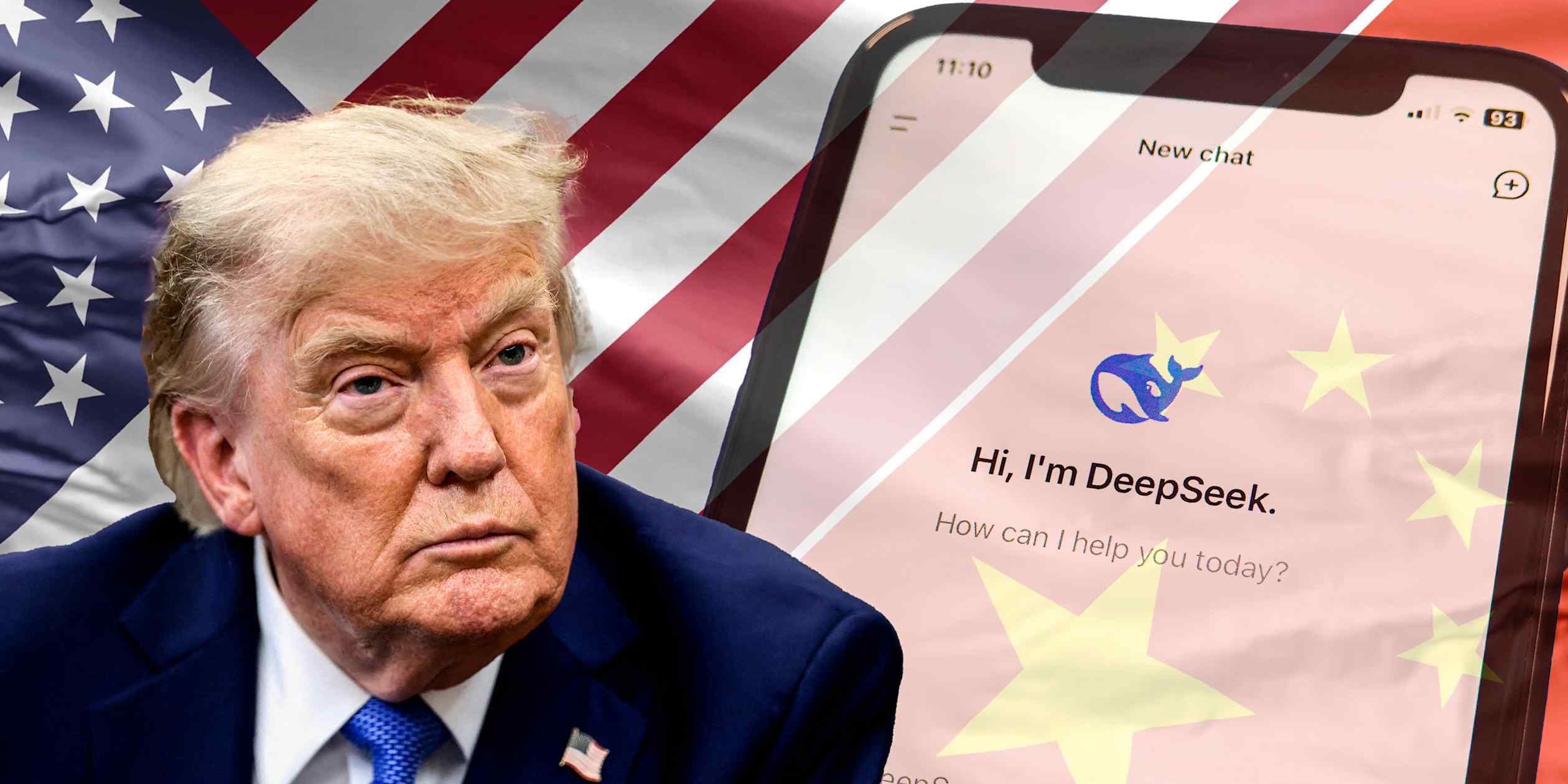
Open-weight AI models—systems whose underlying code and parameters are publicly released—represent an emerging frontier in the intensifying technology competition between Washington and Beijing. Unlike proprietary systems controlled by individual corporations, these models can be freely modified and deployed by researchers, companies, and developers worldwide, creating new opportunities for innovation alongside fresh geopolitical tensions.
The United States has traditionally dominated proprietary AI development through major technology firms, while China has pursued both commercial and state-backed AI initiatives with significant government support. The shift toward open-weight models complicates this dynamic, as both nations recognize the strategic importance of shaping the foundational technologies that underpin artificial intelligence applications across industries.
Experts suggest open-weight AI presents distinct advantages and risks for each power. Proponents argue these models democratize access to advanced technology and accelerate innovation, while critics warn they could accelerate dual-use applications and complicate national security oversight. The approach also reflects broader philosophical differences in how the two countries view technological development and international collaboration.
As open-weight AI systems gain traction among academic institutions and smaller technology firms globally, policymakers in both nations are reassessing strategies for maintaining technological leadership while managing security and competitive concerns. The competition now extends beyond corporate boardrooms to include research institutions, startups, and international partnerships that will likely shape AI's trajectory for years to come.