World · Malaysia Bureau
Opposition boycott backfires as scrutiny of Tabung Haji fund weakens
While an opposition boycott garnered media attention, lawmakers lost the opportunity to exercise parliamentary oversight of the pilgrimage fund's substantial public finances. Critics argue the tactic undermined accountability mechanisms.
LSN Malaysia ·
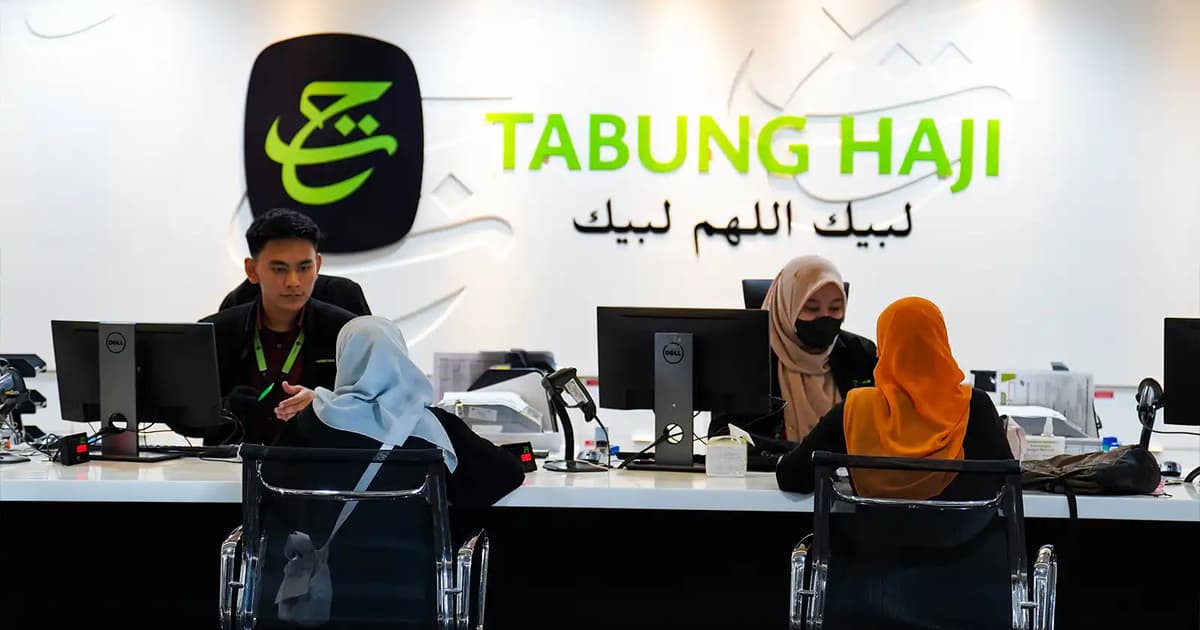
The opposition's decision to boycott parliamentary proceedings has inadvertently weakened mechanisms for public scrutiny of Tabung Haji, the state-backed pilgrimage fund managing billions in citizen savings.
Although the boycott generated significant media coverage and highlighted political tensions, it simultaneously removed opposition representatives from their formal oversight role during critical discussions regarding the fund's management and financial health. Analysts note that parliamentary committees and question periods provide crucial platforms for examining how public institutions deploy taxpayer money and individual deposits.
The Tabung Haji fund, which manages savings for Malaysian Muslims performing the hajj pilgrimage, holds substantial reserves and assets that typically warrant rigorous legislative review. Without consistent opposition presence, opportunities for detailed interrogation of fund governance, investment decisions, and administrative spending have diminished.
Political observers suggest that while boycotts can serve as protest statements, they often extract a strategic cost by surrendering formal investigative powers. Opposition MPs traditionally use parliamentary mechanisms to request detailed briefings, table motions, and publicly challenge government explanations on matters of public concern.
The episode underscores tensions between using disruptive political tactics and maintaining effective legislative oversight functions that serve broader public interests.