Politics · India Bureau
Opposition Eyes CEC Removal: Constitutional Safeguards Explained
Opposition parties are preparing fresh removal proceedings against Chief Election Commissioner Gyanesh Kumar. The Constitution imposes strict requirements for removing the country's top electoral officer.
LSN India ·
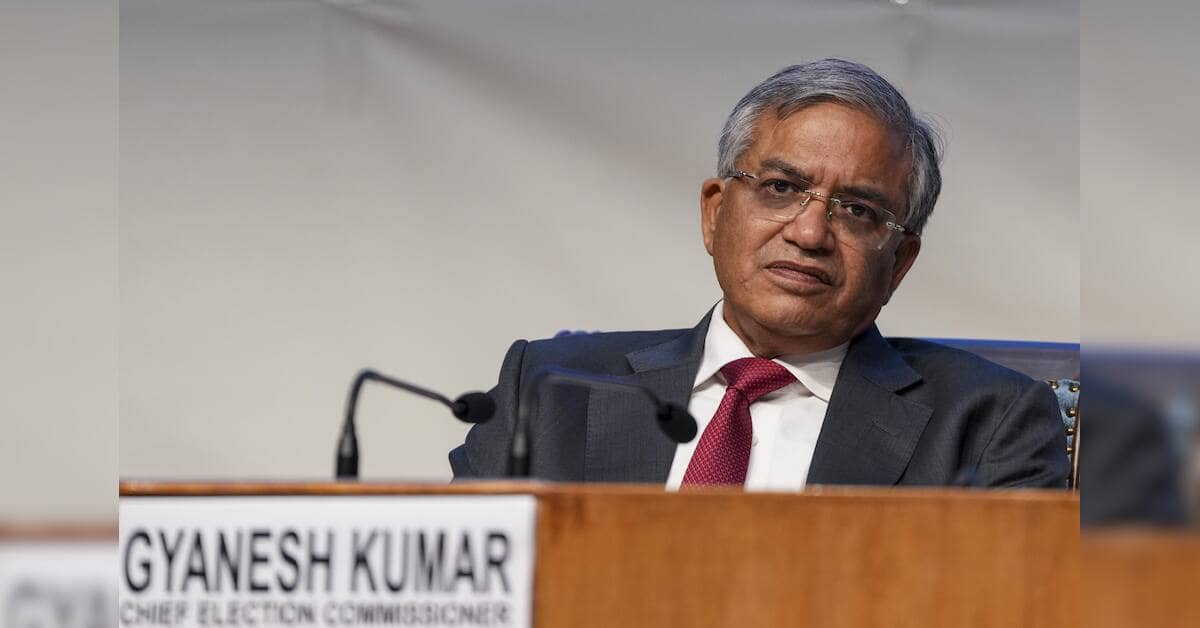
Opposition parties in India are moving to initiate removal proceedings against Chief Election Commissioner Gyanesh Kumar, bringing renewed focus to the constitutional mechanisms governing the tenure of the nation's chief electoral officer.
Under the Constitution of India, the Chief Election Commissioner holds office for a fixed term and cannot be removed through ordinary legislative means. Article 324 of the Constitution vests superintendence and direction of elections in the Election Commission, with the Chief Election Commissioner serving as its principal officer. The CEC is appointed by the President and serves until reaching the age of 65 or completion of a six-year term, whichever comes first.
Removal of a CEC is possible only through impeachment proceedings, similar to the process for removing the President or judges of the higher judiciary. Such proceedings must be initiated in either House of Parliament and require substantive grounds such as gross misconduct or violation of the Constitution. The motion must be supported by at least one-quarter of members in the originating House, following which an investigation committee examines the charges before a formal impeachment vote.
This high procedural threshold reflects the constitutional framers' intention to insulate the Election Commission from political pressure. The independence of the election machinery is considered fundamental to the integrity of democratic processes in India. Previous attempts to remove CECs through various political channels have historically faced significant legal and procedural hurdles.
The current removal motion by opposition parties underscores ongoing tensions regarding electoral governance and the political accountability of constitutional institutions in India.