World · India Bureau
Oregon removes levees, restores salmon habitat across six miles
A major restoration project in Oregon has dismantled 25 levees and introduced thousands of wood pieces to revitalize river ecosystems for salmon populations. The initiative aims to restore natural river conditions across 6.6 miles of waterway.
LSN India ·
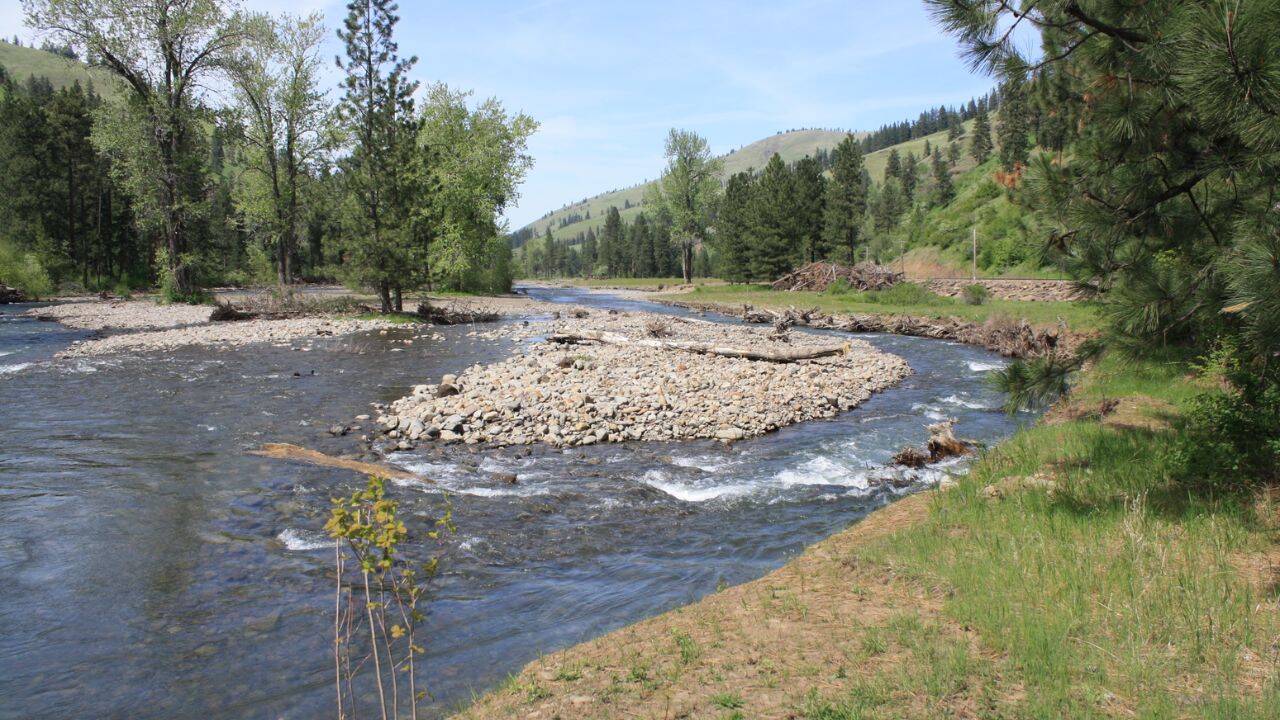
Environmental authorities in Oregon have completed a significant river restoration effort designed to improve salmon habitats and restore natural ecosystem functions. The project involved the removal of 25 levees that had previously constrained river flow and altered natural waterway dynamics across a 6.6-mile stretch.
As part of the restoration strategy, engineers introduced approximately 3,700 pieces of wood into the river system. These logs and branches serve multiple ecological purposes, including creating varied water flow patterns, establishing fish refuges, and rebuilding natural river structure that had been degraded by decades of human modification.
The restoration approach reflects growing recognition among environmental managers that removing barriers and allowing rivers to function more naturally can yield significant benefits for salmon populations. By dismantling engineered structures like levees, the project enables more natural water movement and sediment transport, processes essential for healthy fish spawning and juvenile development.
River restoration initiatives of this scale have become increasingly common in western North America as conservation efforts focus on reversing historical modifications that fragmented waterways and degraded habitat quality. The Oregon project demonstrates how systematic removal of flood control infrastructure can coexist with ecosystem recovery objectives.