Business · India Bureau
Oregon's Beachgrass Experiment Transformed Dune Ecosystem, Imperiled Native Species
A century-old ecological intervention in Oregon has revealed how well-intentioned conservation efforts can have unintended consequences. The introduction of European beachgrass to stabilize coastal dunes near Coos Bay fundamentally altered the landscape, threatening species that evolved to thrive in shifting sand environments.
LSN India ·
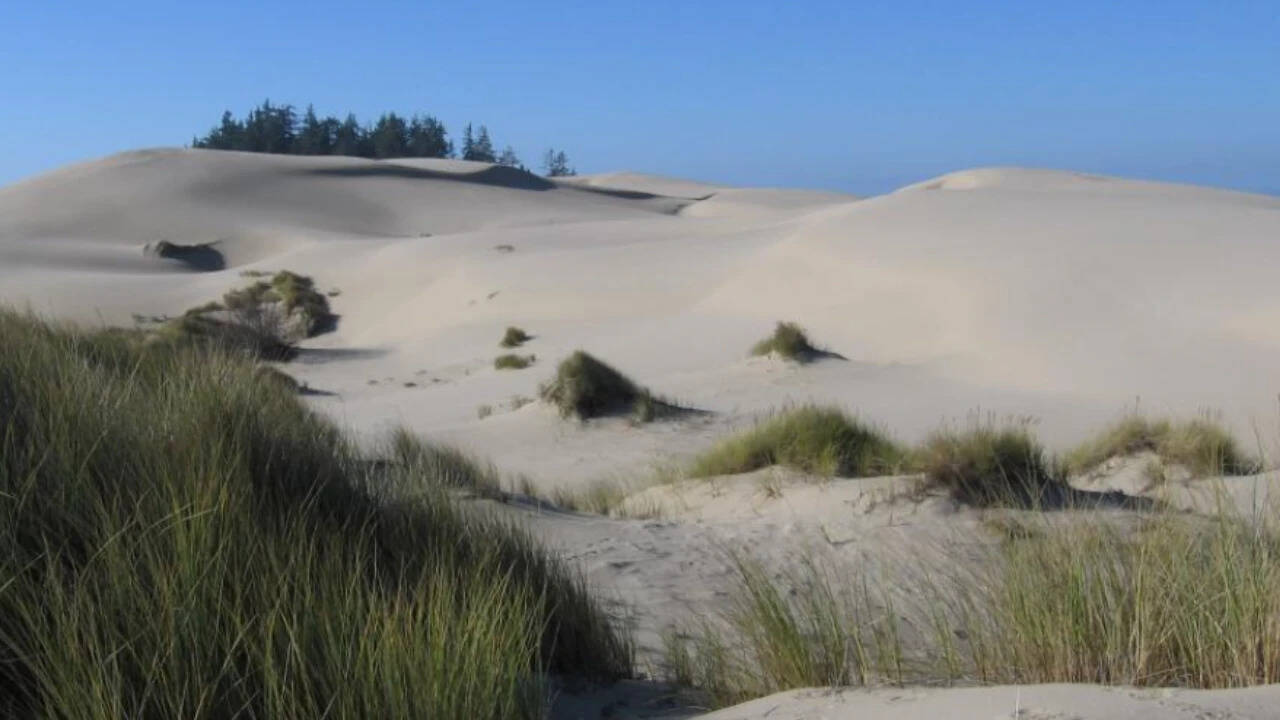
In 1910, Oregon authorities introduced European beachgrass to the coastal dunes near Coos Bay with a straightforward objective: to halt the movement of sand that threatened infrastructure and settlements. The invasive plant species proved remarkably effective at its designated task, taking root across the dune system and successfully stabilizing the previously mobile sands.
However, the beachgrass expansion came at a significant ecological cost. The plant spread extensively across the dune landscape, fundamentally altering the natural sand movement patterns that had characterized the region for millennia. What had been dynamic, shifting habitats transformed into a more static environment dominated by the introduced vegetation.
The ecological shift had cascading effects on native wildlife. Species that had adapted over generations to thrive in open, moving-sand environments found their habitats shrinking. The Western Snowy Plover, an endangered bird species dependent on these specialized coastal conditions, experienced substantial habitat loss as the beachgrass covered the open dunes where it had traditionally nested and foraged.
The Oregon case illustrates a broader environmental principle: that introducing non-native species to solve one ecological problem often creates new challenges. While the beachgrass successfully accomplished its narrow objective of dune stabilization, it simultaneously eliminated the very habitat characteristics required by native species that had evolved to depend on those conditions. The situation underscores the importance of understanding ecosystem complexity before implementing large-scale ecological interventions.