World · India Bureau
Over 1,200 HIV patients receive cardiac care as life expectancy rises
Advances in antiretroviral therapy have extended survival rates among people living with HIV, shifting focus to managing long-term complications including cardiovascular disease. A major cardiac centre in India has treated more than 1,200 HIV-positive patients since 2013.
LSN India ·
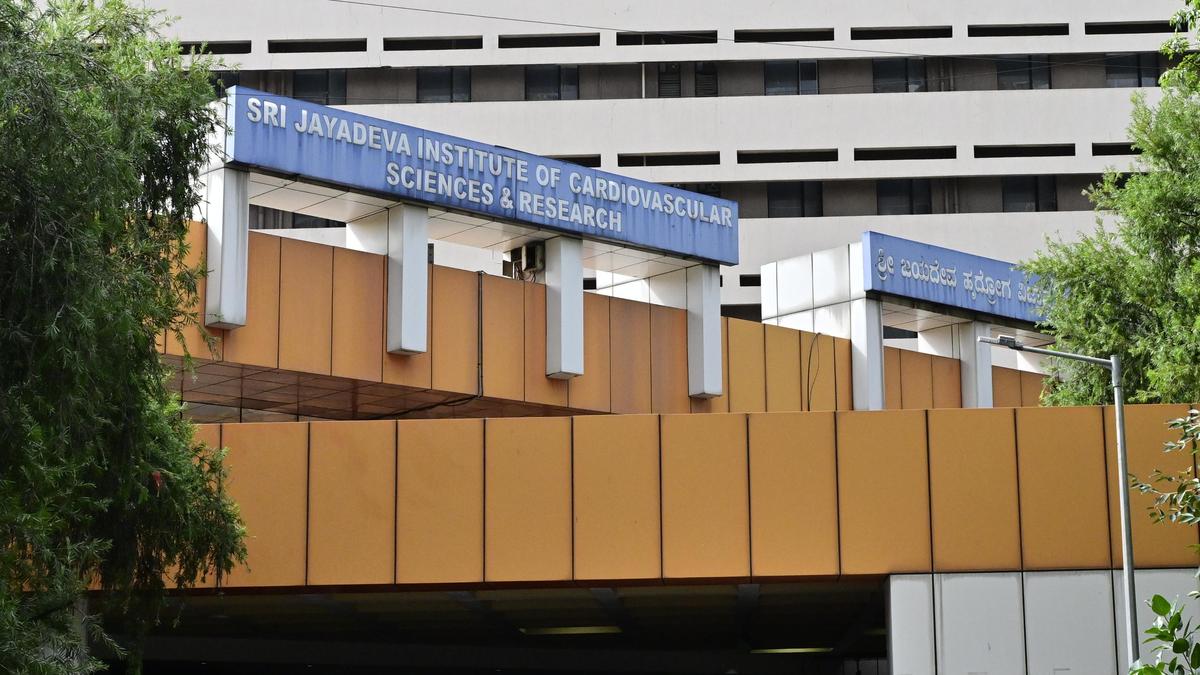
St. John's Medical College Hospital's Department of Cardiology in Bangalore has performed cardiac procedures on 1,209 HIV-positive patients over the past decade, reflecting a significant shift in managing the health needs of India's HIV population. The increasing number of interventions underscores how effective antiretroviral therapy has transformed HIV from a terminal diagnosis into a manageable chronic condition, allowing patients to live considerably longer lives.
With improved life expectancy among people living with HIV, cardiovascular disease has emerged as a critical health concern requiring specialist attention. Research indicates that HIV-positive individuals face elevated risks of heart disease and stroke due to chronic inflammation, medication side effects, and traditional risk factors such as smoking and diabetes. Cardiac complications now rank among the leading causes of mortality in this population.
The centre's experience treating over a thousand HIV patients demonstrates the growing prevalence of heart disease in this demographic and the need for integrated care approaches. Medical professionals increasingly recognize that comprehensive HIV management must extend beyond viral suppression to encompass screening, prevention, and treatment of cardiovascular conditions.
Experts emphasize that awareness among both patients and healthcare providers remains crucial. Regular cardiac screening and risk factor management are essential components of long-term care for people living with HIV in India. The expanding volume of procedures at specialized centres suggests hospitals are adapting to meet these evolving clinical demands.