World · India Bureau
Over 100,000 ancient shipwrecks may lie beneath Baltic Sea
New research suggests the Baltic Sea floor holds one of the world's largest concentrations of sunken vessels, offering unprecedented insights into maritime history and trade routes spanning centuries.
LSN India ·
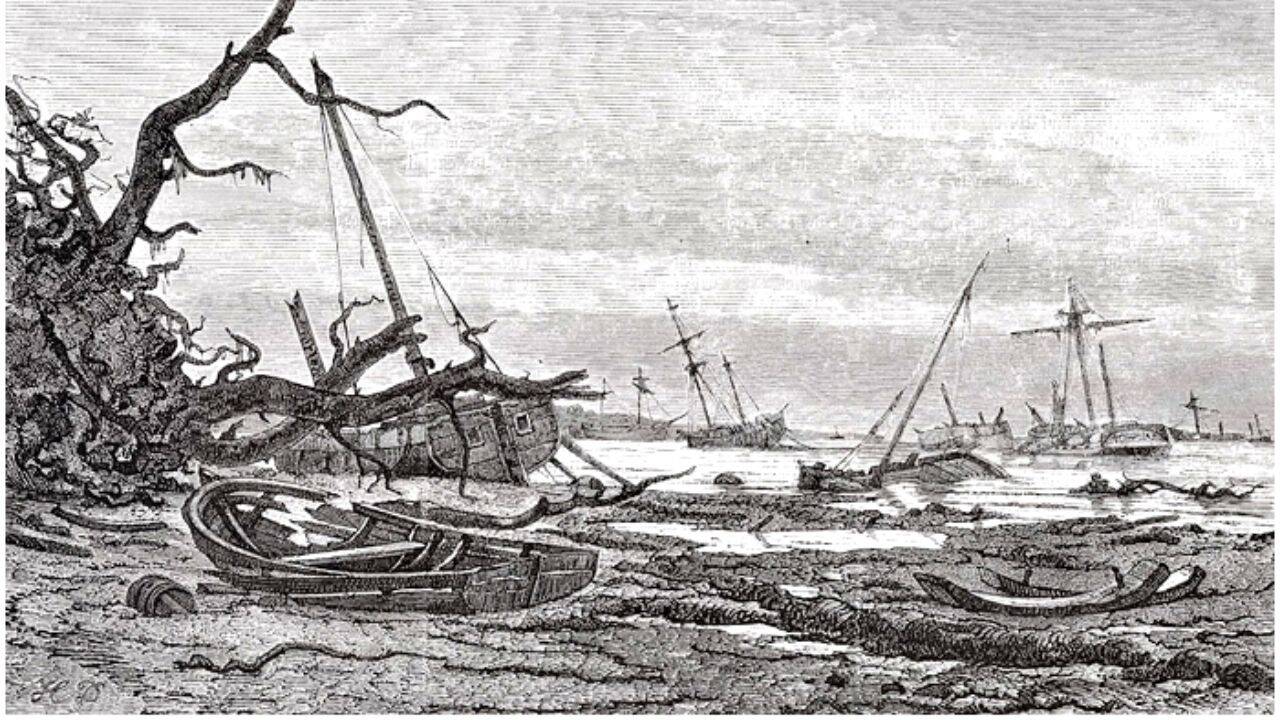
Scientists have estimated that more than 100,000 ancient shipwrecks could be resting on the floor of the Baltic Sea, making it potentially one of the richest underwater archaeological sites globally. The remarkable preservation conditions in the Baltic's deep, oxygen-poor waters have allowed wooden vessels and artefacts to survive largely intact over centuries, creating an invaluable repository of maritime heritage.
The extreme depth and anaerobic environment of the Baltic Sea create ideal conditions for preservation, preventing the decomposition and deterioration that typically affects wooden shipwrecks in other ocean basins. This unique characteristic has transformed the sea into a natural time capsule, with vessels ranging from medieval merchant ships to wartime naval vessels potentially lying undisturbed on the seabed.
Researchers believe these wrecks document crucial periods of European trade, naval warfare, and maritime development spanning multiple centuries. The sheer quantity of vessels suggests the Baltic was a heavily trafficked maritime corridor, with storms, collisions, and military conflicts accounting for the numerous losses. Understanding these wrecks could provide historians with detailed information about shipbuilding techniques, trade goods, and geopolitical relationships across Northern and Eastern Europe.
While advanced sonar and underwater mapping technologies have enabled researchers to identify and catalogue many wrecks in recent years, the vast majority remain unexplored. Archaeologists emphasise that systematic documentation of these underwater sites is essential before environmental changes or commercial activities potentially disturb these historical records. International cooperation among Baltic nations will likely prove crucial for preserving and studying this underwater archaeological heritage for future generations.