Politics · India Bureau
Over 14,800 government primary schools face student shortage crisis
According to enrollment figures cited by a prominent lawmaker, thousands of government primary schools across India are operating with critically low student numbers. The data reveals widespread concerns about school viability and resource utilization in the primary education sector.
LSN India ·
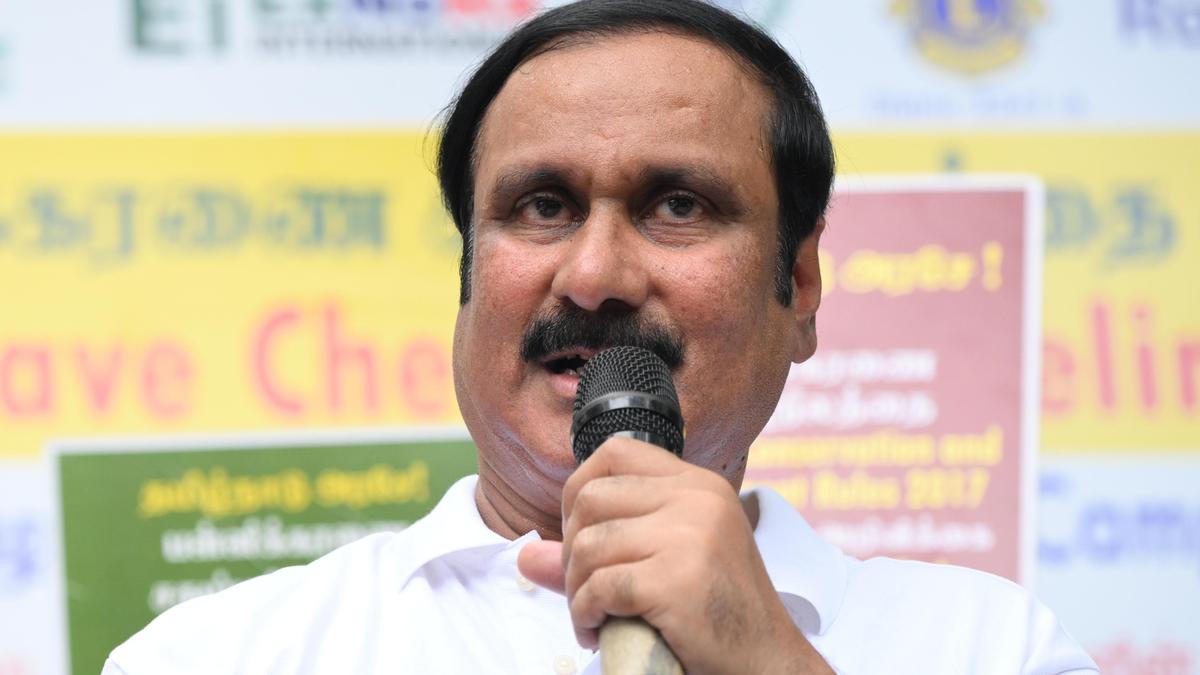
More than 14,800 government primary schools are operating with fewer than 30 students on their rolls, according to official enrollment data highlighted by a senior political figure during parliamentary discussions. The figures underscore persistent challenges in India's primary education infrastructure, with particular concern over severely underfilled institutions. Among the schools cited, approximately 6,635 institutions have fewer than 20 enrolled students, while 3,027 schools are functioning with fewer than 10 students. Such low enrollment numbers raise questions about the sustainability and operational efficiency of these educational institutions, which continue to consume government resources despite minimal student populations.
The data points to a broader pattern of school consolidation needs across the country's government primary education system. Educational administrators and policymakers have long grappled with the challenge of maintaining adequate enrollment in rural and remote areas, where migration and demographic shifts have reduced student populations significantly. The statistics suggest that a substantial overhaul of the primary school network may be necessary to ensure resources are allocated to institutions with viable student bases.
Experts have previously argued that closing or merging severely underpopulated schools could free up resources for facility upgrades, teacher training, and support services in better-utilized institutions. However, such consolidation efforts remain politically sensitive, particularly in rural constituencies where school closure announcements often face community resistance and are viewed as failures in educational access.