Business · Bangladesh Bureau
Over 300 Bangladesh garment factories stay shut as minister urges full return to work on Saturday
Police fired tear gas in Gazipur as protests against the new Tk17,000 minimum wage continued a day after the wage board's decision, while the government insisted the process was fair.
LSN Bangladesh ·
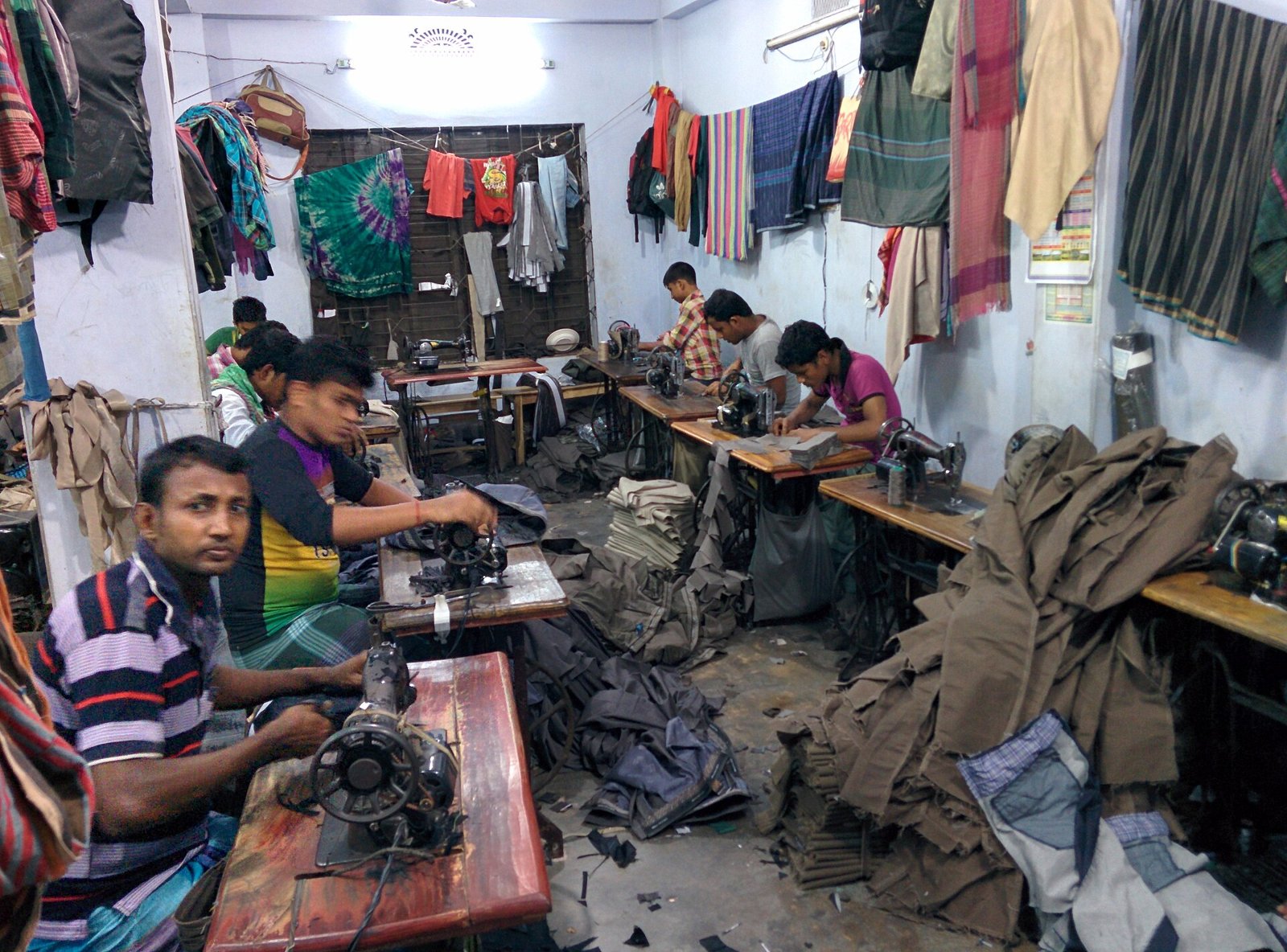
<p>More than 300 garment factories around Dhaka stayed closed on Thursday as protests over Bangladesh's new minimum wage continued, and the labour minister called on owners and workers to restart full production from Saturday.</p>
<p>Police in Gazipur fired tear gas shells and sound grenades to disperse workers trying to block a major highway, Reuters reported. Protesters set fire to a police motorcycle, police said. "The situation is now calm, but we remain on alert," Mohammad Amjad Hossain, superintendent of Gazipur Industrial Police, told the agency.</p>
<p>Mahmud Hasan Khan, president of the Bangladesh Garment Manufacturers and Exporters Association (BGMEA), told The Daily Star that more than 300 factories in Ashulia, Savar and Gazipur were closed on Thursday, 114 of them under Section 13(1) of the Labour Act, the "no work, no pay" provision. The Financial Express put the number of factories unable to operate at more than 350.</p>
<p>Speaking at a press conference at Sramo Bhaban in Dhaka, Labour and Employment Minister Ariful Haque Chowdhury urged both sides to resume full-fledged work on Saturday and to settle future disputes through dialogue. He said the wage board had reached its decision quickly and without government interference.</p>
<p>The prime minister's adviser Mahdi Amin said the new structure raises wages by an average of 36 to 43 per cent across four grades. The grade-1 minimum rises to Tk21,500 from Tk15,035, while the entry-level grade-4 wage was set at Tk17,000, up from Tk12,500, by a majority vote on the board. According to Reuters, the 36 per cent rise at the bottom grade is the smallest increase in four decades; the new structure takes effect on 1 December.</p>
<p>Workers' leaders remain unhappy. Kazi Ruhul Amin, general secretary of the Bangladesh Garment and Sweater Workers Trade Union Centre, told The Daily Star the new scale did not reflect workers' living costs and urged the authorities to reconsider it.</p>
<p>In Savar, workers at seven factories stopped work on Thursday morning, and police recorded a case against four named and 600 unnamed people over an alleged attack and looting at a garment factory on Wednesday, The Daily Star reported.</p>
<p>The sector employs more than four million people and accounts for most of Bangladesh's export earnings. Weeks of unrest have shut factories, blocked highways and disrupted production in the world's second-largest garment exporter.</p>