World · India Bureau
Over 71% of deleted voter names fall under 'absent, shifted' category
Nearly 6.8 crore voter names deleted during the electoral revision process fall under the 'absent, shifted or others' category, raising the possibility of their reinstatement after the Supplementary Inclusion and Removal (SIR) process concludes.
LSN India ·
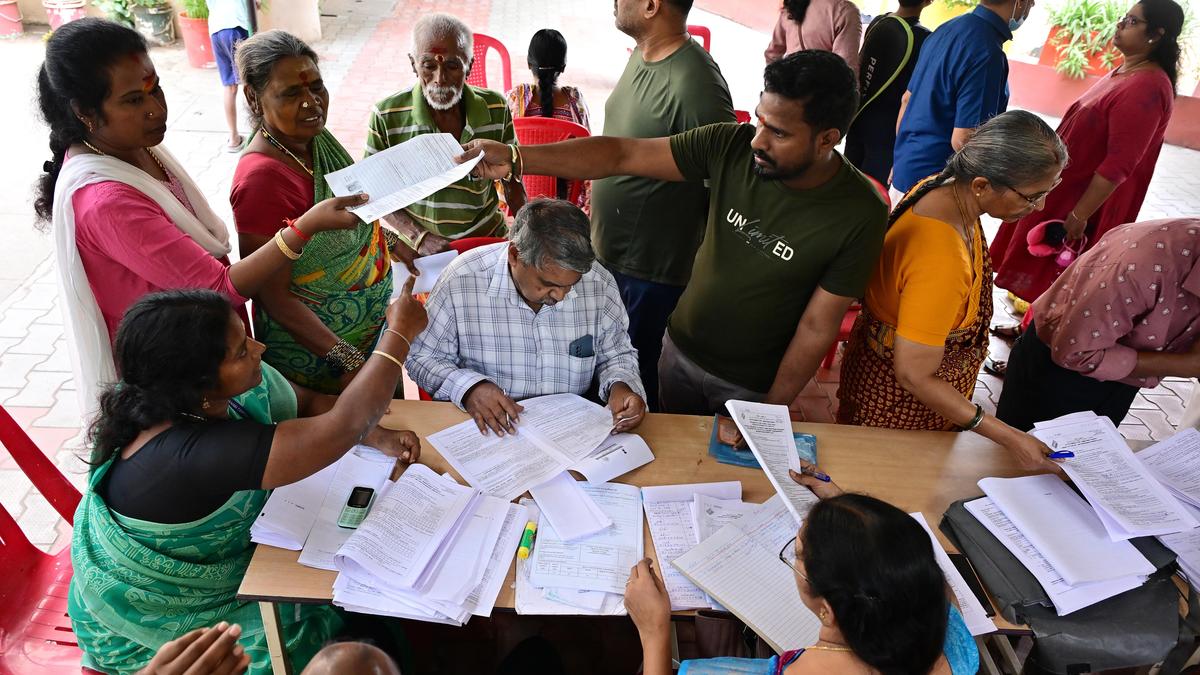
The Supplementary Inclusion and Removal (SIR) process has resulted in the deletion of approximately 9.5 crore names from electoral rolls across the country, with the bulk of these removals concentrated in a single category. According to election administration data, over 71 percent of the deleted entries—around 6.8 crore names—have been classified under the 'absent, shifted or others' category, suggesting these individuals may have moved residences or no longer inhabit their registered constituencies.
Electoral officials have indicated that many of these deletions need not be permanent. The classification of voters as 'absent, shifted or others' provides scope for reinstatement during the final stages of the SIR process, once the electoral rolls undergo their concluding revisions. This suggests that a substantial portion of the deleted voter names could potentially re-enter the rolls if voters can establish their current residence or provide documentation of their electoral eligibility.
The distinction between categories of deleted voters carries significant administrative implications. Deletions on grounds of death, disqualification, or dual enrollment typically result in permanent removal from electoral rolls, whereas those marked as 'absent, shifted or others' maintain a pathway for restoration. Election authorities are expected to provide opportunities for affected voters to submit claims and supporting documentation to facilitate their reinstatement before the SIR process concludes.
The large proportion of deletions in this category has drawn attention from electoral observers, who note that voter mobility and incomplete address information during registration cycles often account for such classifications. As electoral authorities move toward finalizing the current revision cycle, emphasis is being placed on ensuring that eligible citizens are not permanently disenfranchised due to administrative technicalities or change of residence.