Technology · India Bureau
Overlooked Female Programmer Shaped Modern Physics at Los Alamos
Mary Tsingou Menzel's computational work in the 1950s proved instrumental in solving a landmark physics problem, yet her contributions remained largely unrecognized for decades. Her groundbreaking role in early computer science has now gained the historical acknowledgment it deserves.
LSN India ·
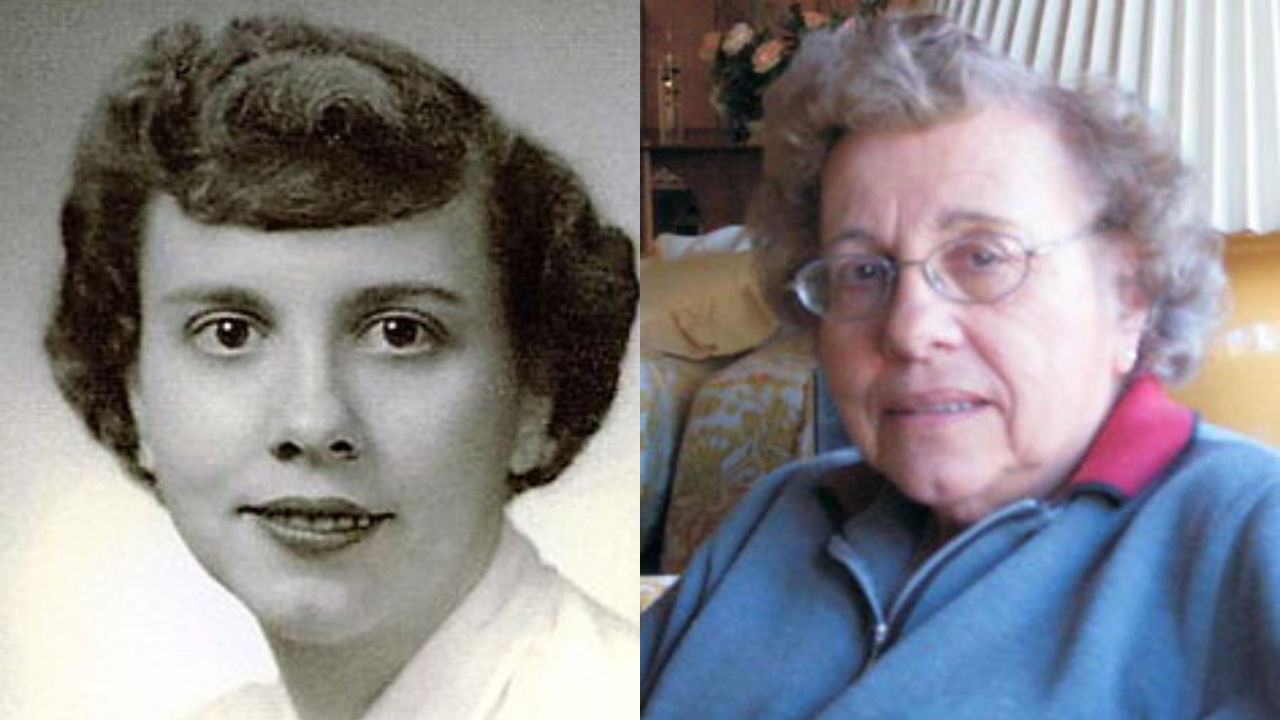
In 1952, Mary Tsingou Menzel sat at one of the world's earliest computers at Los Alamos National Laboratory and programmed an experiment that would help reshape modern physics. Working with some of the era's leading scientific minds, she tackled the Fermi-Pasta-Ulam problem—a complex computational challenge that seemed intractable without digital computing power.
Tsingou Menzel's programming work was essential to solving this theoretical puzzle, which had profound implications for understanding energy distribution in physical systems. Yet her crucial contributions were relegated to a footnote in scientific literature, a common fate for women in mid-20th century science. For years, her name barely appeared in accounts of this landmark achievement.
As recognition of women's contributions to science has grown, Tsingou Menzel's pioneering work in computational physics has finally received appropriate acknowledgment. She stands as one of the earliest practitioners of computer-aided scientific research, helping establish methods that would become central to physics and beyond. Her career exemplified the often-invisible yet indispensable work of female scientists who advanced national security research and fundamental science during the Cold War era.
Today, Tsingou Menzel's legacy serves as a reminder of the countless women whose intellectual contributions shaped technological progress, often without contemporary recognition. Her work at Los Alamos remains a testament to the power of computational approaches in solving problems that seemed beyond reach using traditional methods.