World · India Bureau
Pacific warming could trigger more cyclones along Indian coast
Research indicates that a combination of global warming and natural Pacific climate cycles could increase the frequency of cyclones affecting India's coastlines in coming years. The findings point to potential intensification of tropical storm activity originating near the equator.
LSN India ·
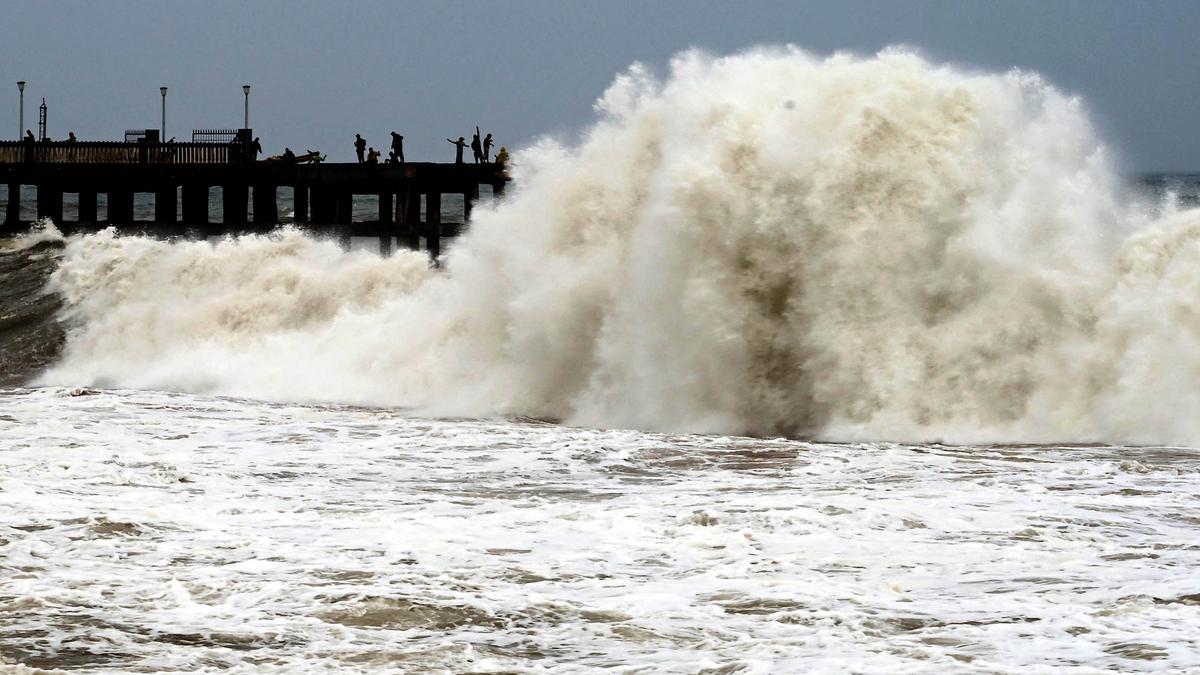
Climate scientists have identified a concerning pattern that could expose India's coastal regions to heightened cyclone activity in the near future. The threat stems from the interplay between two major climatic forces: the long-term warming of global oceans and a naturally occurring Pacific climate phenomenon known as the Pacific Decadal Oscillation.
The Pacific Decadal Oscillation is a cyclical weather pattern that repeats approximately every 20 to 30 years, influencing temperature and precipitation patterns across the Pacific basin and beyond. When combined with the accelerating effects of global warming, this oscillation could intensify conditions that spawn cyclones near the equatorial regions.
Research indicates that these equator-origin cyclones are particularly relevant for South and Southeast Asia, as they can migrate westward across the Indian Ocean and impact coastal areas along India's extensive shoreline. The warming of Pacific waters acts as a catalyst, providing additional energy that fuels tropical storm development and potentially increases their frequency.
The findings underscore the growing complexity of predicting cyclone patterns as natural climate variability intersects with anthropogenic global warming. Coastal communities and disaster management agencies may need to reassess preparedness strategies to account for potentially more frequent cyclonic events in the coming decades, even as scientists continue to refine their understanding of these interconnected climate systems.