World · India Bureau
Pacific waters warm to 40-year high as tropical species shift north
Scientists have recorded unprecedented subsurface warming in California's Monterey Bay, with temperatures at 60 metres reaching their highest levels in nearly four decades. The phenomenon is linked to anticipated El Niño conditions expected in 2026-27, triggering significant ecological changes across the region.
LSN India ·
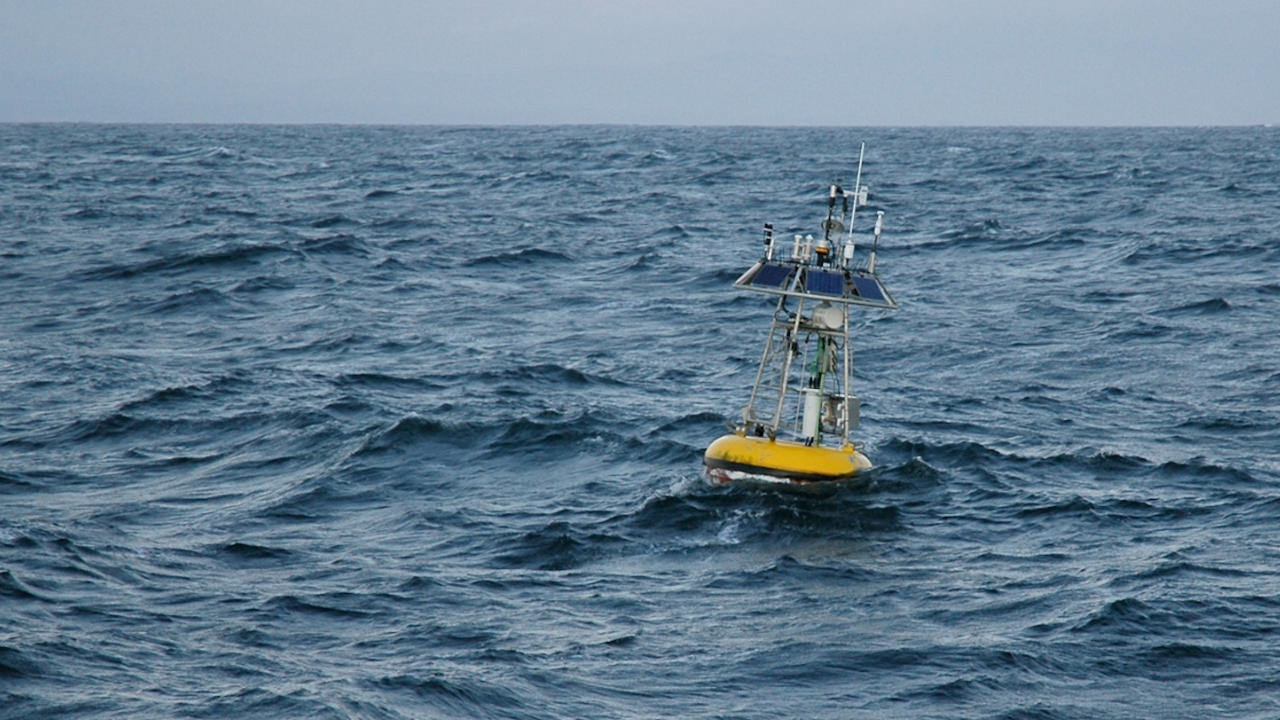
Marine research institutions have documented record-breaking temperature measurements at Monterey Bay, where subsurface waters have climbed to 18.18°C at a depth of 60 metres—the warmest reading in approximately 40 years. The sustained warming represents a significant departure from historical patterns and signals broader shifts in ocean conditions along the North American Pacific coast.
Scientists attribute the temperature surge to the development of El Niño conditions anticipated to intensify during 2026-27. This periodic climate phenomenon, characterised by unusually warm ocean waters across the central and eastern Pacific, has far-reaching consequences for marine ecosystems and weather patterns globally.
One of the most visible impacts has been the northward migration of tropical marine species into traditionally cooler waters. These species movements underscore the velocity and scale of oceanic change occurring in the region, marking a departure from established ecological boundaries.
Researchers have raised concerns about the broader implications for deep-sea food availability and marine ecosystem stability. The warming and associated species shifts could fundamentally alter predator-prey relationships and food web dynamics throughout the water column, with potential consequences for fisheries and ocean biodiversity in the months and years ahead.