World · India Bureau
Paddy stubble burning declines sharply across seven Indian states
Incidents of paddy stubble burning fell by more than a quarter across seven major agricultural states between mid-September and early November, though Punjab continued to account for nearly half of all recorded cases.
LSN India ·
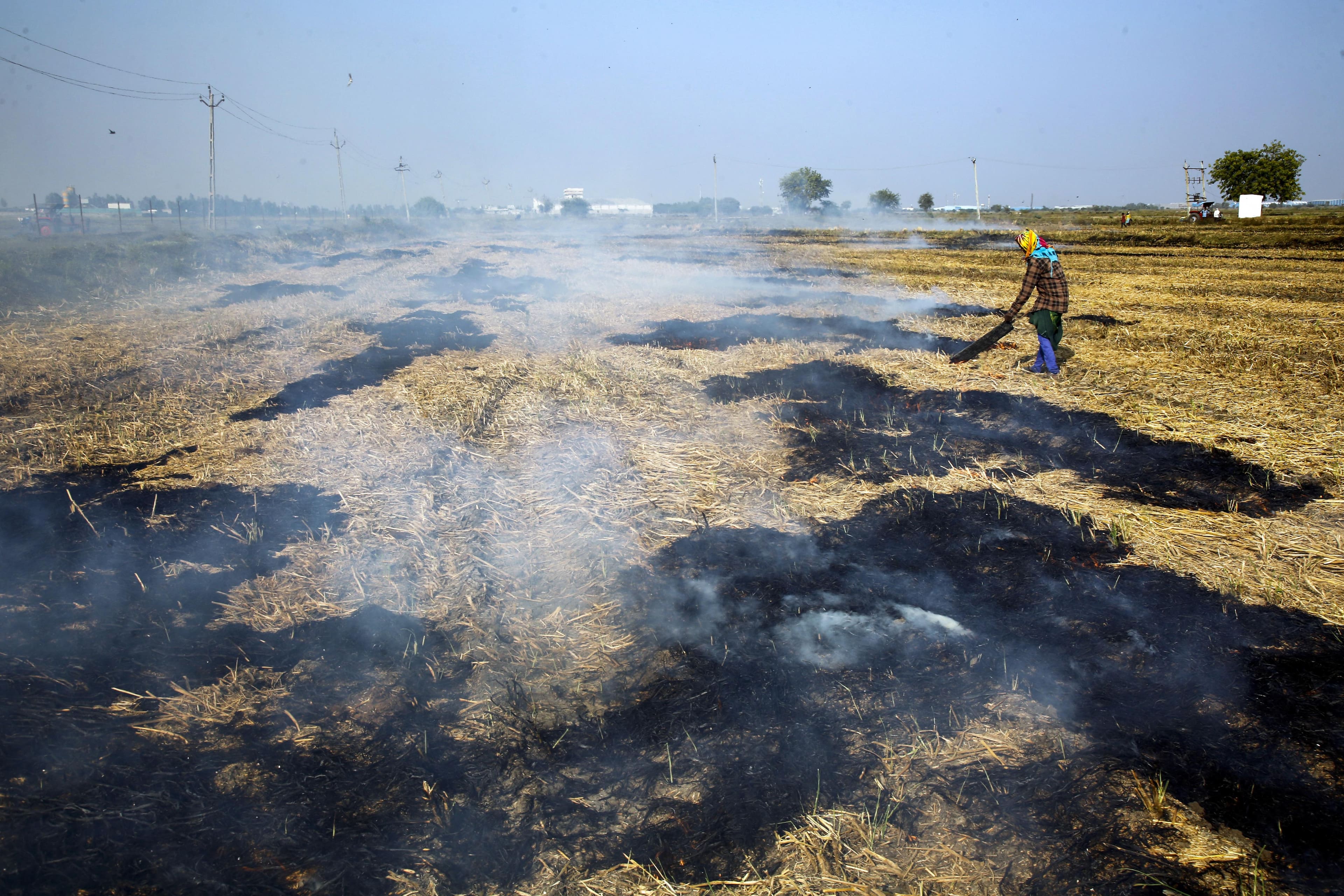
Paddy stubble burning incidents declined 26.63 percent to 3,316 cases across seven states during the monitoring period from September 15 to November 1, according to available data. The reduction reflects ongoing efforts to curb agricultural burning, a practice that contributes significantly to air pollution across northern India during the post-harvest season.
Punjab remained the state with the highest concentration of stubble burning cases, recording approximately 1,500 incidents—nearly 45 percent of the total across the monitored region. The state's contribution underscores the persistent challenge of managing crop residue disposal in India's primary grain-producing areas, where paddy harvesting typically culminates in the practice of burning remaining plant matter.
The decline, while substantial, indicates that despite regulatory measures and awareness campaigns, stubble burning continues to pose an environmental challenge. State governments and agricultural departments have implemented monitoring systems and promoted alternative methods of crop residue management, including composting and biomass utilization, to reduce reliance on the traditional burning practice.
Experts attribute the year-on-year reduction to a combination of stricter enforcement, farmer incentives for adopting alternative disposal methods, and increased mechanization for residue collection. However, authorities acknowledge that achieving complete elimination of the practice remains a long-term objective requiring sustained intervention and support for farming communities.