World · India Bureau
Paediatrician's Approach Tackles Head Lice While Combating Social Stigma
Medical experts are working to dispel widespread myths about head lice in children, emphasising that the condition is not indicative of poor hygiene and does not transmit diseases. Paediatricians across South Asia are adopting compassionate treatment approaches to address the common concern while reducing associated social stigma.
LSN India ·
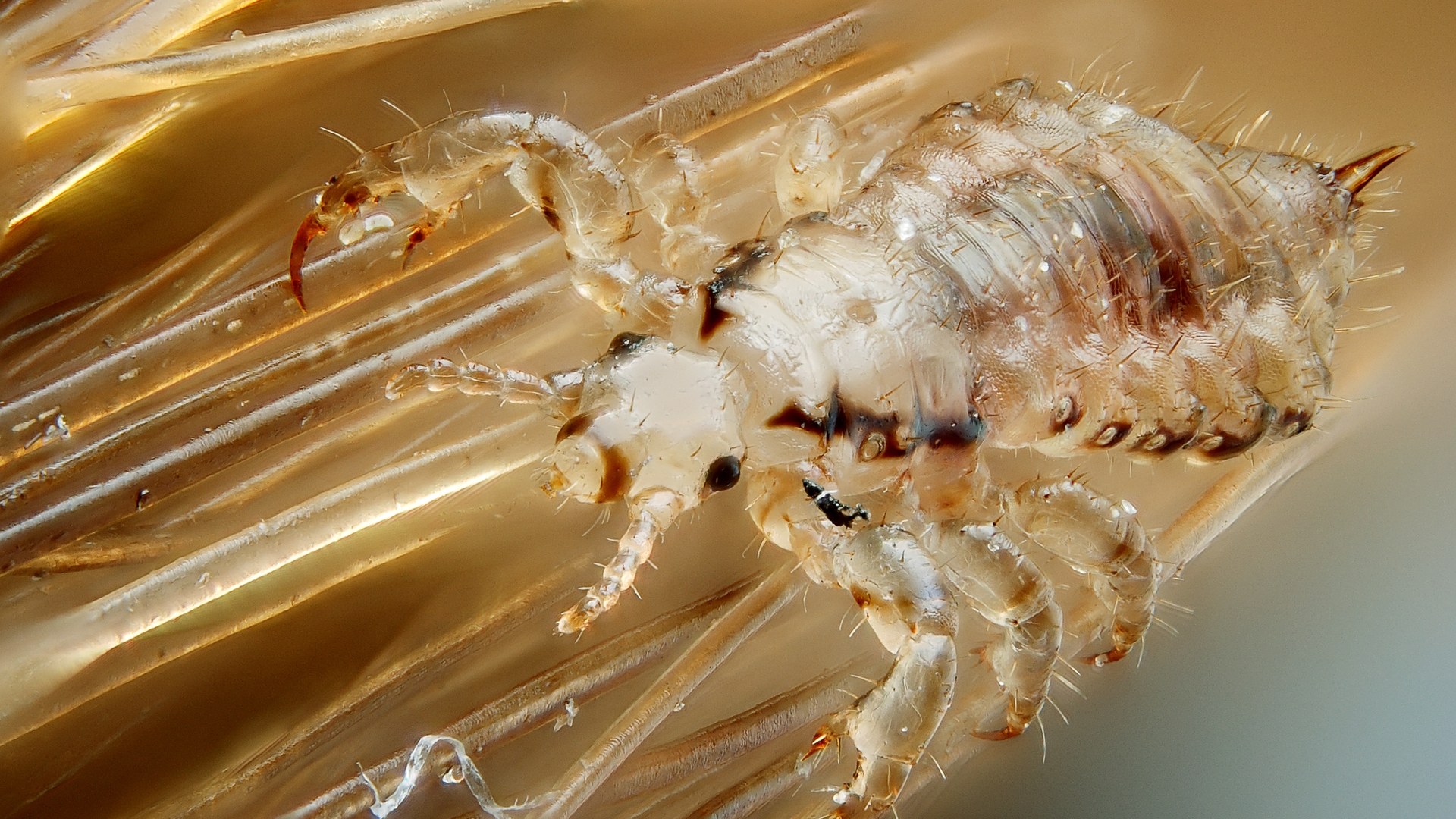
Head lice infestations remain a frequent concern among parents and school authorities across India and the broader region, yet persistent misconceptions continue to shroud the condition in unnecessary shame. Despite popular belief, contracting lice is not a reflection of personal cleanliness or family hygiene standards, medical professionals have clarified. Children from all socioeconomic backgrounds and living conditions can acquire lice through casual contact, making it a purely epidemiological matter rather than a marker of neglect.
Paediatricians emphasise that head lice are parasitic insects that spread through direct head-to-head contact or shared personal items such as combs, hats, and pillows. The condition poses no risk of transmitting serious diseases or other health complications beyond localised scalp irritation and discomfort. This distinction is crucial for parents and educators, as it reframes lice management as a straightforward medical issue rather than a social concern warranting isolation or shame.
Medical professionals are advocating for open, non-judgmental conversations about lice treatment to encourage parents to seek timely intervention. Early detection and appropriate medical management—ranging from topical treatments to specialised shampoos—effectively resolve infestations within days to weeks. By normalising discussions around head lice and addressing the condition promptly, healthcare providers aim to reduce both the physical discomfort experienced by affected children and the psychological burden of social stigma.
Educational campaigns targeting schools, parents, and communities are increasingly being integrated into public health initiatives across the region. Experts stress that treating lice with medical pragmatism rather than social anxiety benefits children's overall wellbeing and academic participation, while reinforcing evidence-based understanding of common childhood conditions.
Photo: A male human head louse (Pediculus humanus capitis), close-up. Gilles San Martin via Wikimedia Commons (CC BY-SA 2.0).