Politics · Malaysia Bureau
Pahang's Tengku Ampuan explores historical link between sultanate and governance
The Tengku Ampuan of Pahang drew connections between the sultanate's maritime trading heritage and the evolution of Malay legal systems in a recent address. The speech highlighted how historical port administrators shaped governance structures in the Malay world.
LSN Malaysia ·
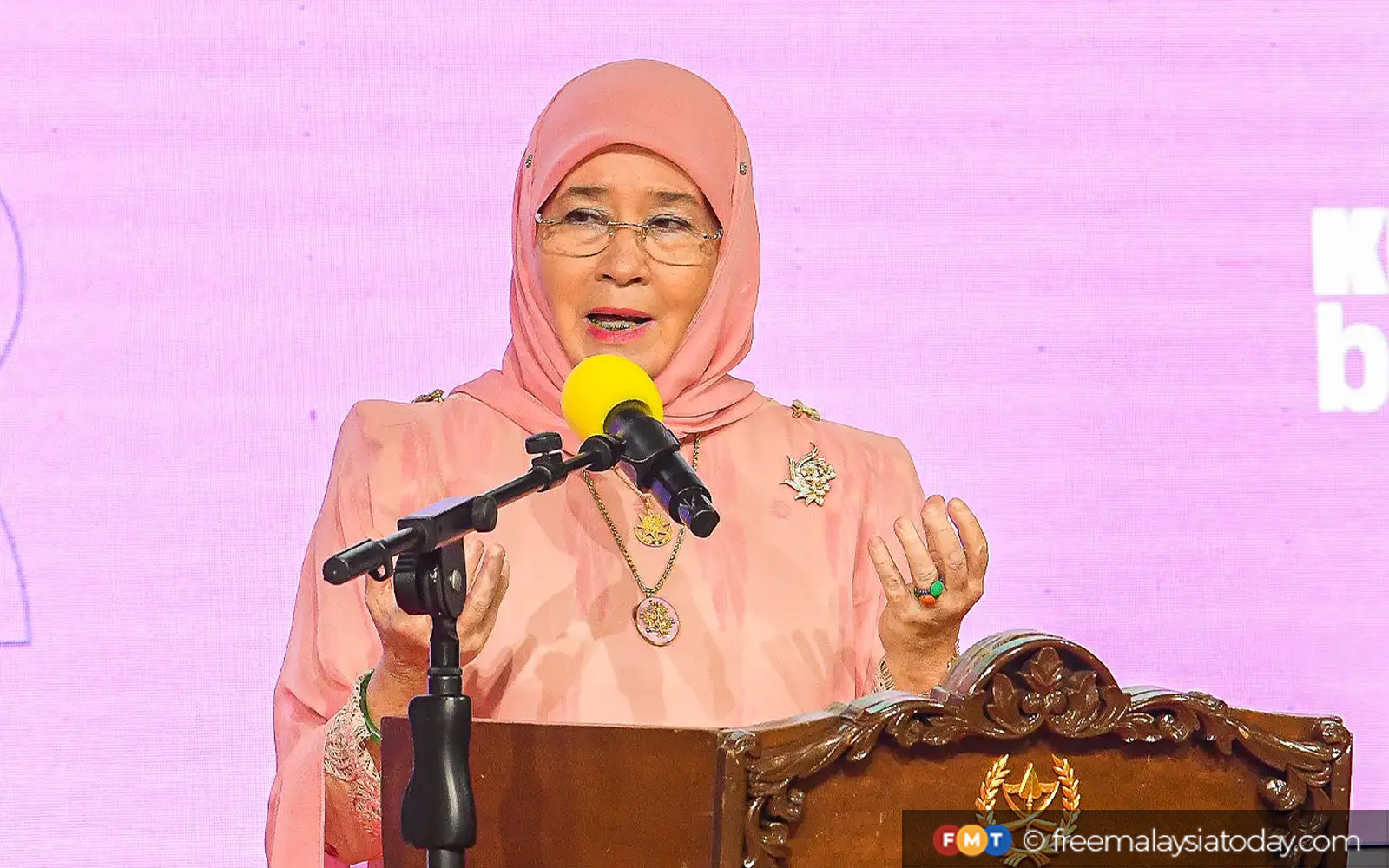
Tunku Azizah Aminah Maimunah Iskandariah, the Tengku Ampuan of Pahang, delivered a lecture on traditional Malay legal frameworks at Muzium Negeri Pahang last week, tracing the intellectual foundations of governance in the region. The address, titled 'Hukum Kanun Di Alam Melayu' (Malay Law in the Malay World), examined how administrative systems developed across Southeast Asian sultanates.
The Tengku Ampuan's presentation explored the historical significance of the shahbandar—the port master figure who wielded considerable administrative and judicial authority in major trading centers throughout the Malay archipelago. These officials, responsible for managing commerce and adjudicating disputes, played a formative role in establishing legal precedents that would later influence broader governance structures across the region.
The lecture forms part of broader efforts to preserve and contextualise Pahang's historical role as a significant centre of Malay governance and trade. By examining the shahbandar institution, the Tengku Ampuan highlighted how medieval port administration contributed to the development of legal and administrative practices that characterised Malay sultanates.
The event reflects growing institutional interest in documenting and interpreting Malaysia's pre-colonial and early modern history, particularly the mechanisms through which authority and law were exercised in maritime trading societies.