World · India Bureau
Pakistan army chief's administrative overhaul threatens civilian governance model
General Asim Munir's structural reorganization plan has raised concerns among political analysts that the move could fundamentally undermine Pakistan's civilian democratic institutions. The proposal has triggered fresh debate over the military's influence in the country's governance framework.
LSN India ·
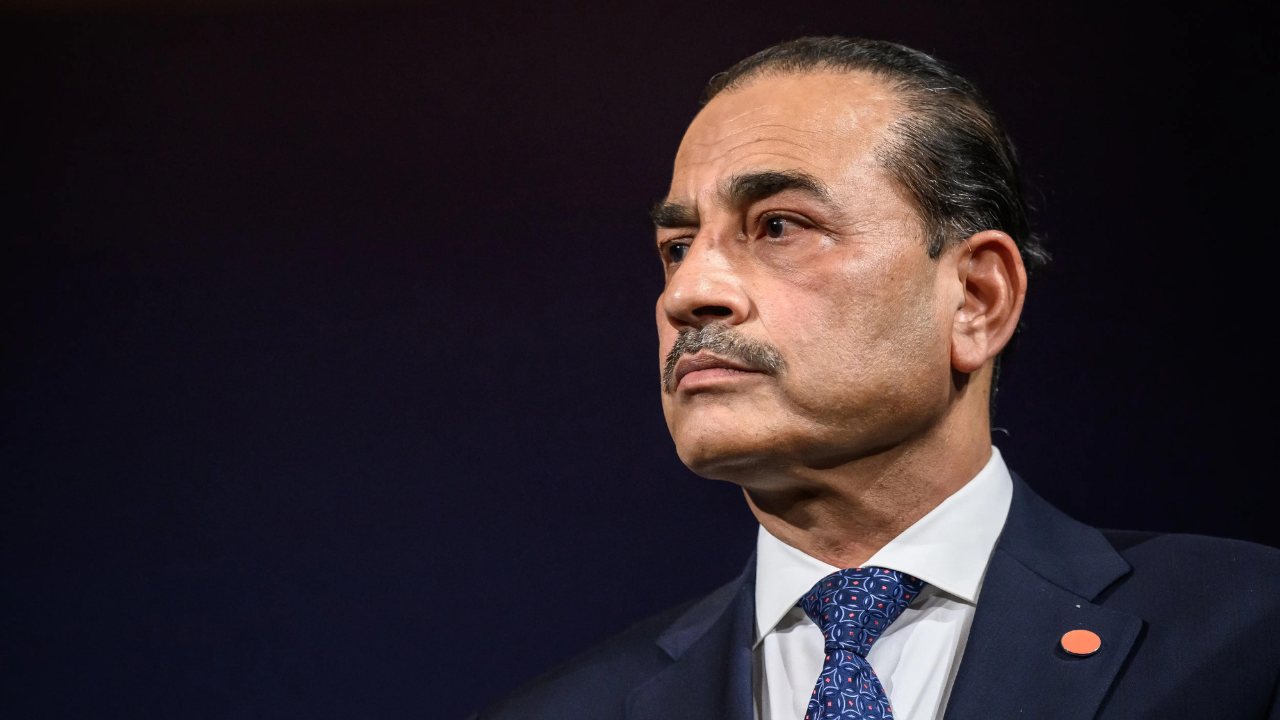
Pakistan's Chief of Army Staff General Asim Munir has unveiled an administrative restructuring plan that has prompted warnings from political observers about potential threats to civilian rule in the country. The reorganization scheme, which involves significant institutional changes, has ignited concerns that it could shift the balance of power away from elected representatives toward military oversight.
Analysts suggest that the proposed administrative division could create parallel governance structures that would effectively bypass civilian control mechanisms. Such a configuration would mark a departure from Pakistan's constitutional framework, which theoretically vests executive authority in civilian leadership, though military influence has historically remained substantial.
The initiative comes amid ongoing tensions between Pakistan's civilian political establishment and its powerful military institution. Previous military interventions in Pakistani politics have repeatedly disrupted democratic transitions, with critics arguing that institutional restructuring often serves as a precursor to enhanced military control.
Political commentators warn that if implemented, the plan could precipitate a new constitutional crisis and potentially herald the return of military-dominated governance. The proposal has already drawn scrutiny from democratic activists and constitutional experts who view it as incompatible with Pakistan's stated commitment to civilian democratic rule.
The timing of the announcement underscores persistent questions about the sustainability of democratic governance in Pakistan, where the military's institutional influence continues to shape policy decisions across multiple sectors of government.