Business · Pakistan Bureau
Pakistan cabinet approves sugar sector deregulation to clear long-delayed IMF benchmark
The new policy ends export subsidies, government price controls and curbs on moving sugar between provinces, leaving cane prices to the market and opening the way for an IMF board meeting on December 11.
LSN Pakistan ·
<p>Pakistan's federal cabinet on Tuesday approved the National Policy for Deregulation of the Sugar Sector, meeting a structural benchmark of the International Monetary Fund that the country had missed since June 2026, Dawn and ARY News reported.</p>
<p>The cabinet cleared the policy by circulation through a summary dated November 24 that was moved by the Ministry of Industries and Production, according to ARY News. Dawn reported that completing the benchmark was a condition for scheduling the IMF executive board meeting, which is now set for December 11.</p>
<p>Under the policy, export subsidies on sugar end completely and the government's price controls are abolished. Restrictions on moving sugar from one province to another are lifted, and transitional arrangements cover the current crushing season, Dawn reported.</p>
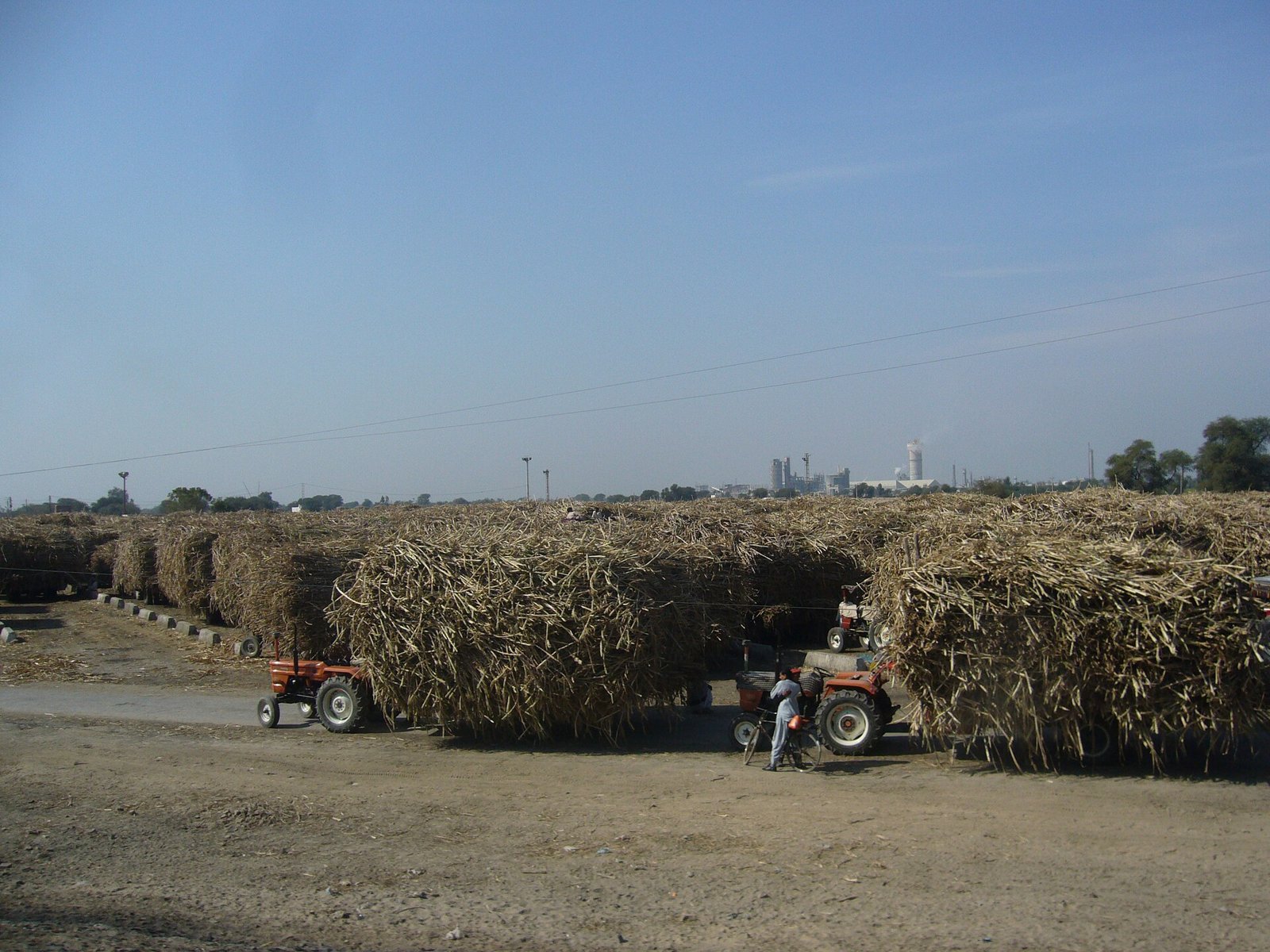
<p>Sugarcane prices will be left to market forces. Limits on growing zones and cane varieties are removed, so farmers can sell their crop to any buyer, though a negative list of banned varieties will remain. There will be no restrictions on setting up new mills or expanding capacity, and millers will be free to choose where they source cane and how much they produce.</p>
<p>To protect growers during the transition, the policy provides for third-party validation of weighing scales, a sucrose-testing framework and interest payments by mills on late payment of cane dues. The government keeps the right to hold buffer stocks of sugar and to collect timely data on the cane crop, production and market supply, and the policy also envisages work towards mandatory ethanol blending, according to Dawn.</p>
<p>The IMF had long pressed Pakistan to end the state's role in the sector, from setting cane prices to regulating production, imports and exports. Approval was held up for months because Sindh had not agreed, while the other three provinces had already accepted the draft. Dawn said Sindh cleared the policy on November 21 after securing some amendments, and the Express Tribune reported that all provinces, including Sindh and Punjab, have now agreed to implement it.</p>
<p>The policy was finalised by a ministerial committee headed by Power Minister Awais Leghari. Informed sources told Dawn that Prime Minister Shehbaz Sharif recused himself from decisions related to the sugar sector because of his immediate family's involvement in the sugar business.</p>
<p>The approval follows the government's decision last Friday to allow the export of more than 400,000 tonnes of sugar, on top of about 200,000 tonnes exported a few months earlier, Dawn reported.</p>