Politics · World News Bureau
Pakistan claims victory in Indus waters dispute as court upholds treaty
The Permanent Court of Arbitration has ruled that a decades-old water-sharing agreement between Pakistan and India remains legally binding. However, India's rejection of the findings threatens to reignite tensions over the crucial transboundary river system.
LSN World News ·
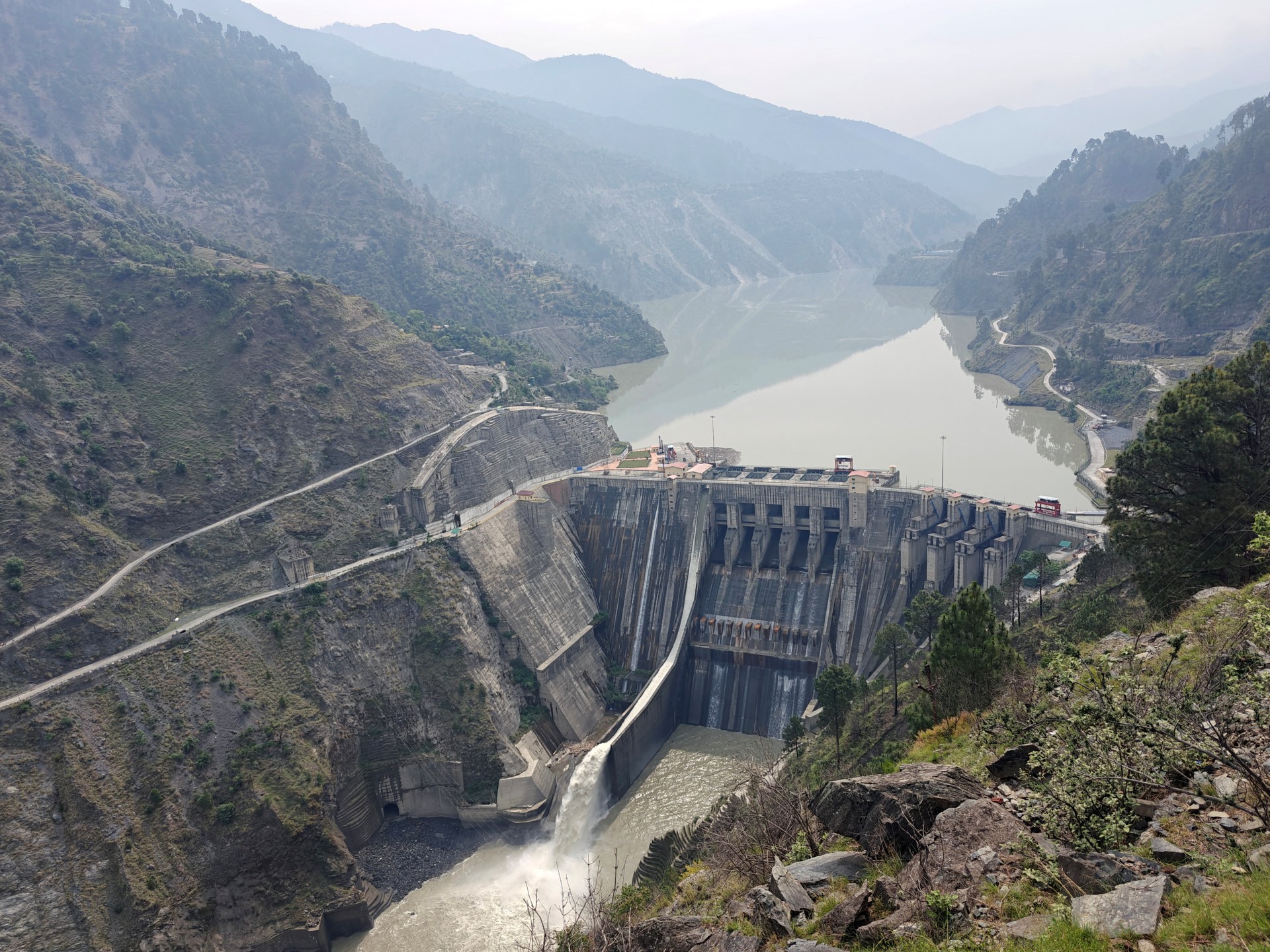
The Permanent Court of Arbitration at The Hague has delivered a significant ruling affirming the validity of the 1960 Indus Waters Treaty, marking a diplomatic win for Pakistan in its long-standing dispute with India over the sharing of the river's resources.
Pakistan has heavily relied on the Indus River system for irrigation and hydroelectric power, making the treaty a cornerstone of its water security. The court's decision to uphold the agreement's binding nature provides Islamabad with international legal backing for its claims regarding fair water allocation and the regulation of Indian dam construction projects.
New Delhi's rejection of the arbitration findings, however, threatens to undermine the landmark 1960 accord and escalate tensions between the two nuclear-armed nations. India's refusal to accept the court's interpretation signals potential complications for future dispute resolution and could prompt either side to pursue unilateral actions regarding river management.
The Indus Waters Treaty has historically served as one of the few successful bilateral agreements between Pakistan and India, with the World Bank playing a mediating role. The court's ruling reinforces the treaty's enforceability, though implementation of its terms may face practical obstacles if India proceeds with projects India claims are within its rights under the agreement.
Water security remains a critical issue for both nations as climate change and population growth intensify competition for the region's finite water resources. The dispute underscores broader regional tensions and the challenges of managing shared river systems in South Asia.