Politics · Singapore Bureau
Pakistan deploys Gulf forces without parliament approval under Munir
Pakistan's military leadership has agreed to rapidly expand troop deployments to Saudi Arabia without seeking parliamentary approval, marking a significant shift from 2015 when lawmakers voted against involvement in Yemen. The move underscores the military's dominant role in foreign policy decisions under Field Marshal Asim Munir's command.
LSN Singapore ·
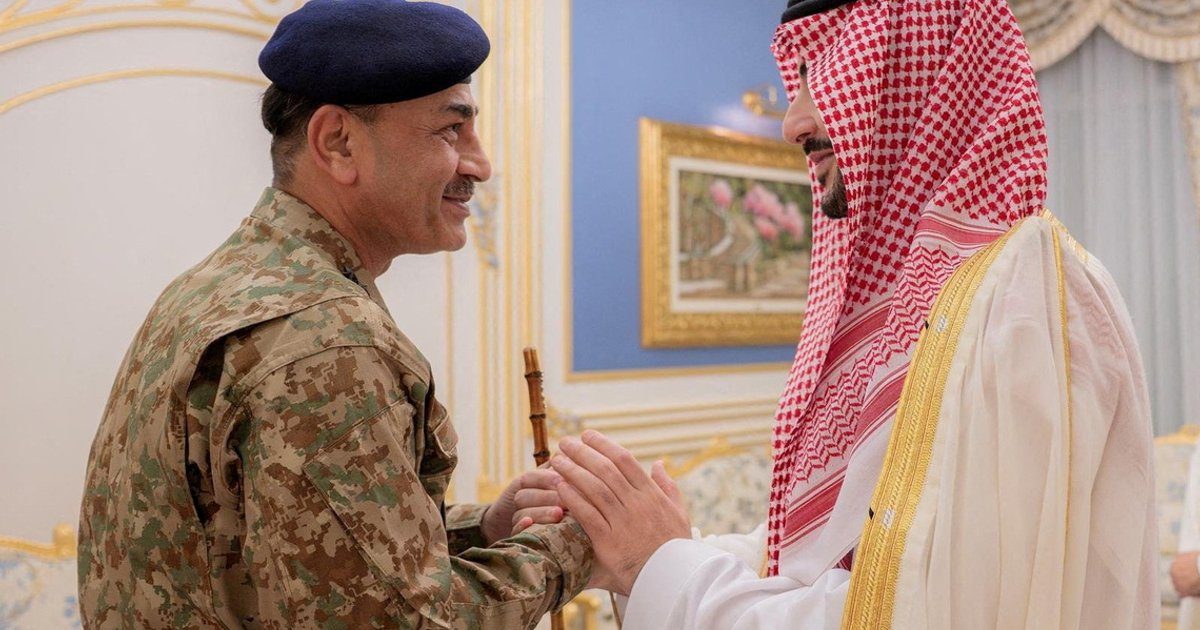
ISLAMABAD — Pakistan's government has committed to substantially increasing military personnel stationed in Saudi Arabia, bypassing the legislative oversight that characterized previous defence commitments in the region. The deployment represents a departure from parliamentary practice established over a decade ago, when lawmakers voted to keep Pakistan out of the Saudi-led military intervention in Yemen.
In 2015, Pakistan's parliament passed a resolution preventing the country's armed forces from participating directly in Yemen operations, reflecting political concerns about entanglement in regional conflicts. That decision represented a rare assertion of civilian legislative authority over defence matters in a country where the military has historically wielded substantial influence over foreign and security policy.
The latest troop deployment to Saudi Arabia proceeds without similar parliamentary deliberation, illustrating the military establishment's expanding autonomy in strategic decision-making. Under Field Marshal Asim Munir's leadership, Pakistan's armed forces have consolidated control over key aspects of defence and security policy, with civilian institutions increasingly sidelined from major foreign deployments.
The accelerated deployment signals Pakistan's deepening security commitment to Gulf states amid broader regional tensions. Analysts say the move reflects the military's assessment that rapid response capabilities serve national interests, though the absence of parliamentary involvement raises questions about civilian oversight of defence decisions in South Asia's second-largest nation.