World · India Bureau
Pakistan faces severe water crisis as shortage hits 22 percent
Pakistan is bracing for a significant water deficit this year, with forecasts predicting a shortage of approximately 22 percent. Contrary to common perceptions, India's implementation of the Indus Waters Treaty is not the primary driver of the crisis.
LSN India ·
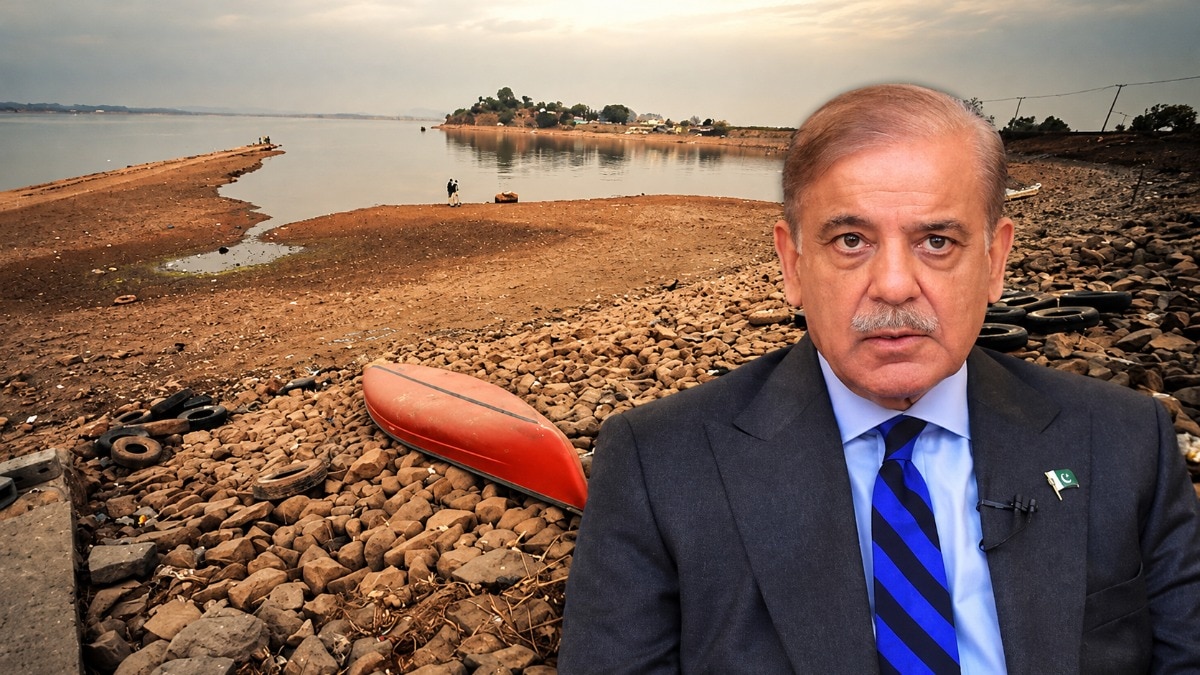
Pakistan's water resources face unprecedented strain as the country grapples with a projected shortage equivalent to 22 percent of its annual demand. The shortfall represents one of the most serious water security challenges the nation has encountered in recent years, prompting concerns across agricultural, industrial, and domestic sectors.
While the Indus Waters Treaty—the bilateral agreement governing water-sharing between India and Pakistan—has often been cited as a source of tension, water management experts indicate that factors beyond the treaty framework are primarily responsible for the current deficit. Climate variability, reduced snowmelt from upstream regions, and structural inefficiencies in water storage and distribution systems are among the key contributors to the shortage.
The crisis underscores Pakistan's vulnerability to environmental pressures and the need for comprehensive water management reforms. Officials have acknowledged the urgency of addressing water loss through improved infrastructure, enhanced conservation measures, and better coordination between provincial authorities.
The shortage is expected to have cascading effects across Pakistan's economy, particularly affecting the agricultural sector, which remains heavily dependent on irrigation. The situation highlights the broader regional water security challenges facing South Asia as climate patterns shift and demand continues to rise.