World · World News Bureau
Pakistan grants military chief expanded powers in historic command restructure
Pakistan has overhauled its military command structure for the first time in over 50 years, consolidating authority under the armed forces chief. The legislative changes have sparked concerns among analysts regarding institutional checks and oversight mechanisms.
LSN World News ·
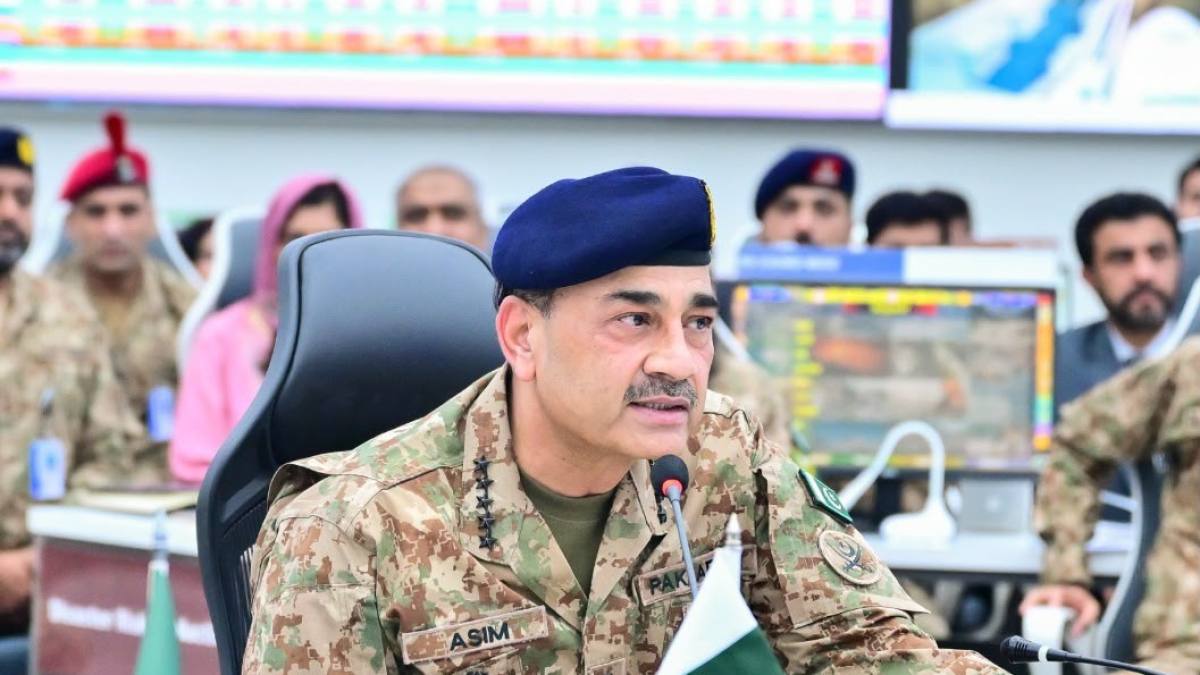
Pakistan's parliament has approved sweeping reforms to its military command structure, marking the most significant reorganization since the 1970s. The new framework centralizes decision-making power in the office of the chief of staff, effectively elevating the military's top official to a position of unprecedented institutional authority.
Under the previous system, Pakistan maintained a tri-service command structure with the army, navy, and air force operating under separate hierarchies with distinct command chains. The reformed arrangement streamlines these arrangements, creating a unified command apparatus under a single chief with expanded administrative and operational purview.
Military officials have characterized the restructuring as a modernization effort designed to improve coordination between service branches and enhance operational efficiency in responding to contemporary security challenges. Proponents argue the unified command structure reflects practices adopted by other major military establishments and facilitates more rapid decision-making.
However, the legislation has drawn scrutiny from civil society observers and analysts who question whether the concentration of military authority includes adequate civilian oversight and institutional safeguards. Questions persist regarding the balance between executive efficiency and parliamentary accountability, particularly given Pakistan's complex history of civil-military relations and previous military interventions in governance.