Politics · India Bureau
Pakistan grapples with energy crisis as LPG costs spike, LNG stockpiles grow
Pakistan faces a mounting energy sector challenge as liquefied petroleum gas prices climb while imported liquefied natural gas accumulates without sufficient demand. The situation is compounding the nation's fiscal pressures.
LSN India ·
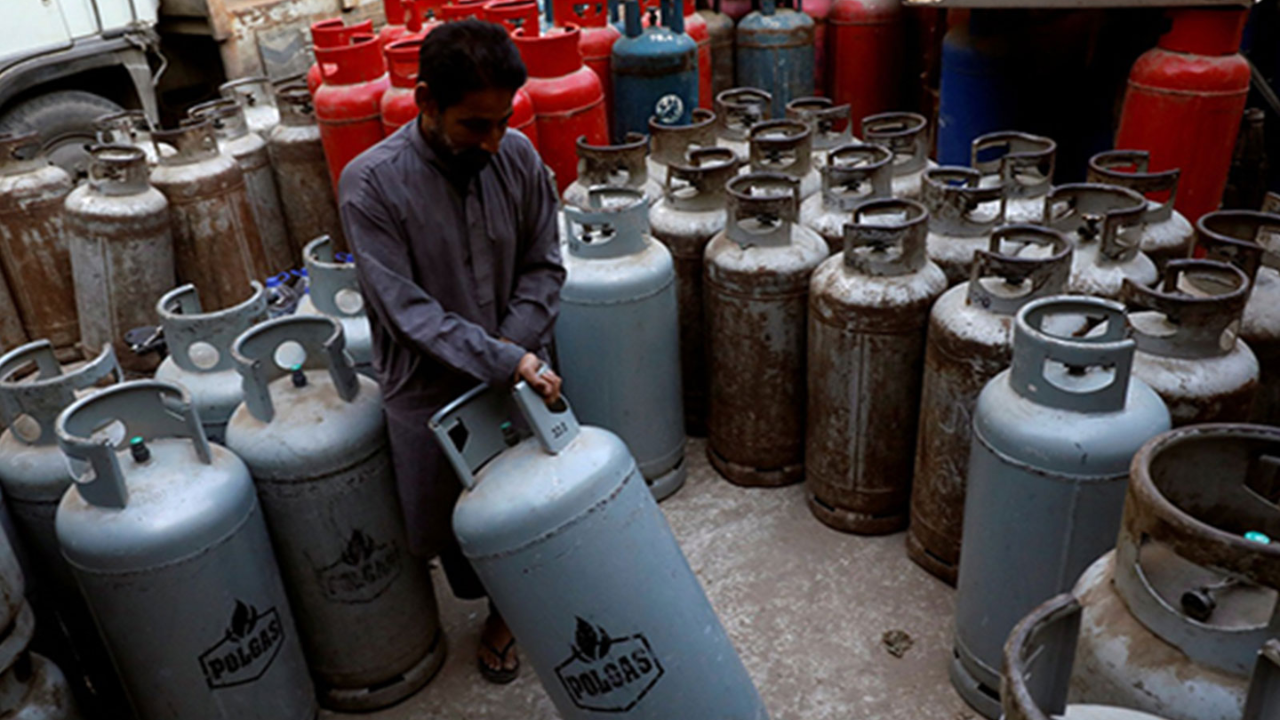
Pakistan's energy sector is struggling with a complex crisis as liquefied petroleum gas prices surge amid supply constraints and growing imported liquefied natural gas inventories fail to find adequate market absorption. The dual pressure is straining both consumer budgets and government finances as the country attempts to navigate competing energy demands.
The spike in LPG costs reflects broader supply-side challenges within Pakistan's energy infrastructure, creating affordability concerns for households and businesses reliant on the fuel. Simultaneously, the accumulation of imported LNG—a more expensive energy source procured to address shortfalls in domestic gas production—points to structural inefficiencies in energy consumption patterns and infrastructure utilization.
This combination of rising prices and underutilized expensive imports is widening Pakistan's energy deficit at a critical time. The government faces mounting fiscal pressure as subsidies and energy-related debt obligations continue to escalate, limiting resources for other developmental priorities.
Energy analysts suggest the crisis reflects deeper challenges within Pakistan's energy planning and infrastructure development, requiring coordinated policy responses to balance immediate supply concerns with long-term sustainability. The situation underscores the urgency of addressing domestic energy production capacity while managing import dependencies more effectively.