World · Singapore Bureau
Pakistan maternity ward fire blamed on systemic institutional failures
A comprehensive investigation into a devastating fire at a Pakistani maternity hospital that claimed 14 infant lives has identified critical safety lapses, including non-functional fire detection and suppression systems. The findings underscore systemic failures in healthcare facility management and regulatory oversight.
LSN Singapore ·
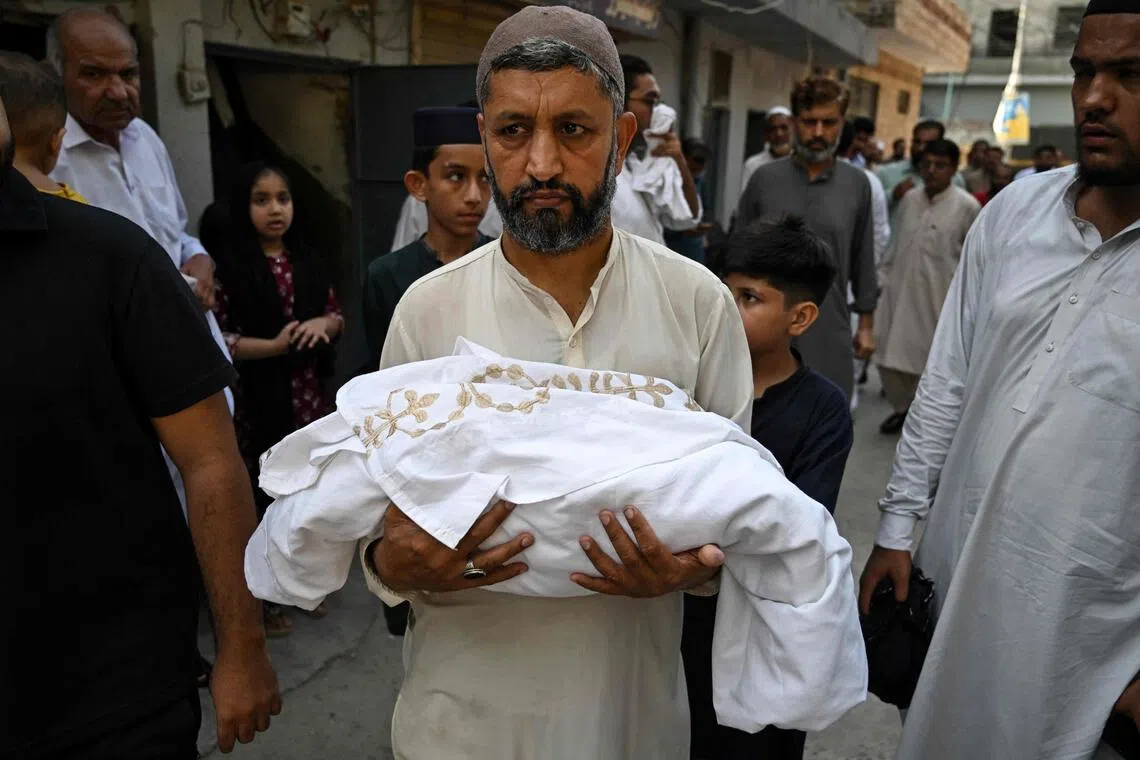
An exhaustive 42-page inquiry into the maternity ward fire has revealed a cascade of preventable safety failures that contributed to the tragedy. Investigators found that the facility lacked operational smoke detection systems and functional sprinkler installations—fundamental safeguards mandated in healthcare environments housing vulnerable patients.
The report characterises the incident as an institutional failure rather than an isolated accident, pointing to broader systemic weaknesses in safety protocols and maintenance standards. The absence of basic fire safety infrastructure in a neonatal ward raises serious questions about regulatory compliance and oversight mechanisms governing healthcare facilities in the region.
The investigation's conclusions suggest that multiple stakeholders failed in their responsibilities, from facility management to regulatory authorities responsible for enforcing safety standards. The findings highlight the urgent need for comprehensive audits of healthcare infrastructure and stringent enforcement of fire safety regulations across medical institutions.
The incident has reignited debates about patient safety standards in South Asian hospitals and the adequacy of existing regulatory frameworks. Healthcare authorities have pledged to implement immediate corrective measures, though experts warn that systemic improvements require sustained commitment and adequate resource allocation.