World · India Bureau
Pakistan's military chief consolidates power amid regional tensions
Pakistan's army chief General Asim Munir is expanding his institutional influence as the nation navigates complex geopolitical dynamics in South Asia. The developments raise questions about civil-military balance in the country's governance structure.
LSN India ·
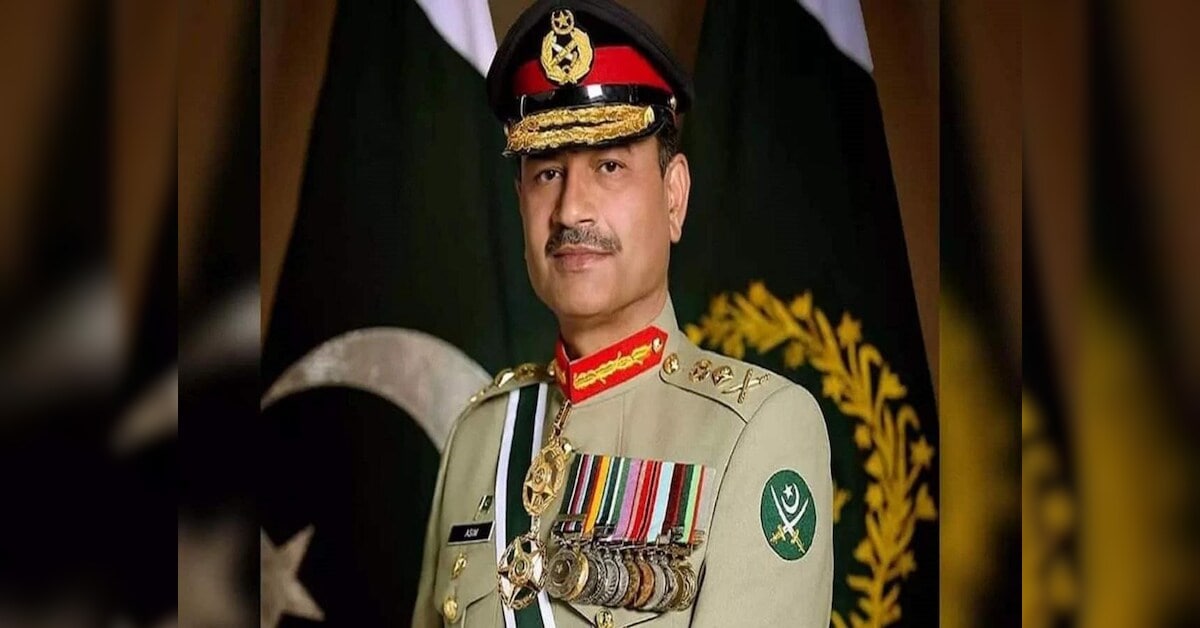
General Asim Munir's growing authority within Pakistan's military and political establishment reflects broader concerns about the concentration of power within defence institutions. As army chief, Munir has positioned himself centrally in major policy decisions affecting national security and foreign relations, a pattern that observers argue represents a continuation of the military's dominant role in Pakistani governance.
The expansion of military influence occurs against the backdrop of Pakistan's pursuit of new strategic partnerships. Recent defence initiatives involving Saudi Arabia and Turkey underscore Pakistan's efforts to strengthen regional security arrangements, though such moves also demonstrate the military leadership's outsized influence in shaping foreign policy priorities that might normally fall within civilian government purview.
Domestically, questions persist about institutional checks on military decision-making. The consolidation of authority within defence circles raises concerns among governance experts about the balance between civilian and military institutions, particularly as Pakistan continues to face terrorism-related security challenges that historically have justified expanded military prerogatives.
These developments unfold as other major South Asian institutions, including India's prominent business groups, grapple with their own leadership transitions and governance challenges. The contrast highlights how power dynamics differ across the region's political and corporate structures, with Pakistan's military maintaining a distinctly prominent role compared to institutional arrangements elsewhere in South Asia.