World · India Bureau
Pakistan's own agency undermines Diwali fireworks theory on Lahore smog
Pakistan's environmental authority has contradicted the government's claims that Indian Diwali celebrations are primarily responsible for severe air pollution in Lahore. Data from the country's own agency suggests domestic sources play a significant role in the seasonal smog crisis.
LSN India ·
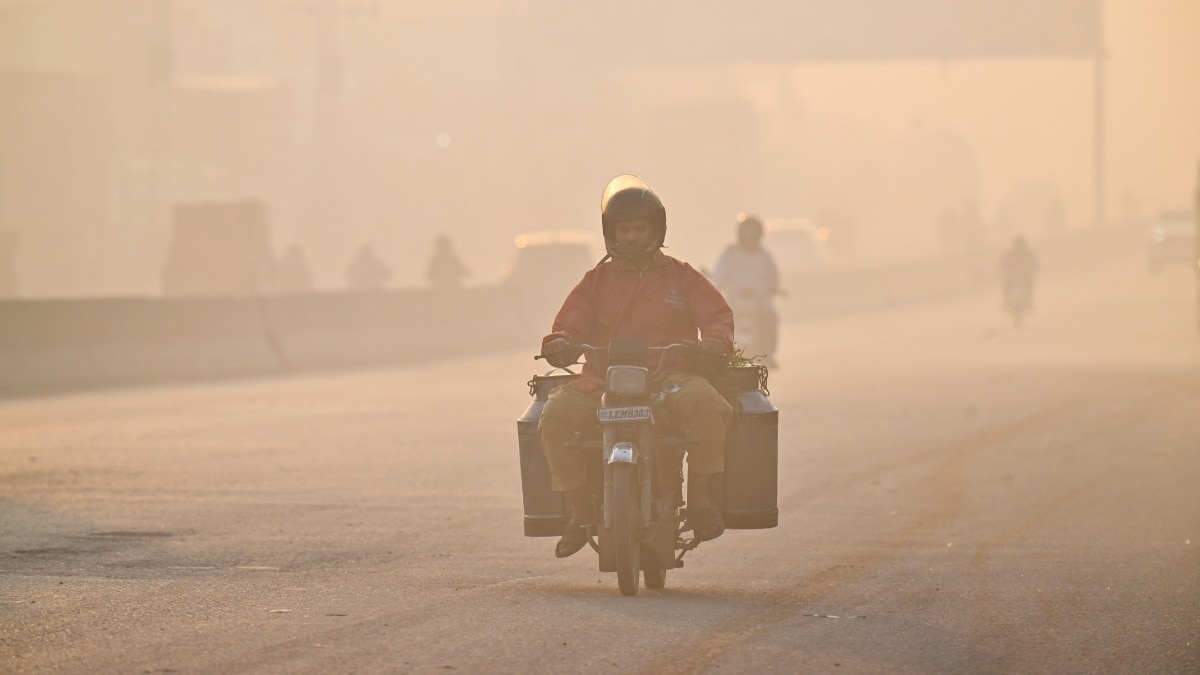
Pakistani officials have frequently attributed Lahore's hazardous air quality levels to fireworks set off during India's Diwali festival across the border. However, findings from Pakistan's own environmental monitoring body have cast doubt on this narrative, indicating that factors within Pakistan itself contribute substantially to the city's recurring smog crisis.
The agency's analysis suggests that while transboundary pollution from India may have some impact during specific periods, local sources including vehicular emissions, industrial activity, and agricultural burning within Punjab province are significant contributors to Lahore's poor air quality throughout the autumn and winter months.
The contradiction highlights the complexity of addressing regional air pollution, which typically involves multiple sources and meteorological factors rather than a single cause. Experts have long cautioned that seasonal weather patterns, geographical location in a valley, and domestic economic activities create conditions that trap pollutants, exacerbating smog in major South Asian cities.
The findings underscore the need for comprehensive regional cooperation and domestic policy measures to tackle air pollution. Environmental analysts suggest that both Pakistan and India must address their respective pollution sources through stricter emissions standards, traffic management, and controls on agricultural burning to effectively improve air quality across the region.