World · Bangladesh Bureau
Pakistan's Political Crisis Deepens as Imprisoned Leader Dominates National Debate
Pakistan's political landscape remains consumed by the detention of a high-profile prisoner, reflecting deeper divisions within the country's democratic institutions. The case has become a focal point for rival political factions and raised questions about judicial independence.
LSN Bangladesh ·
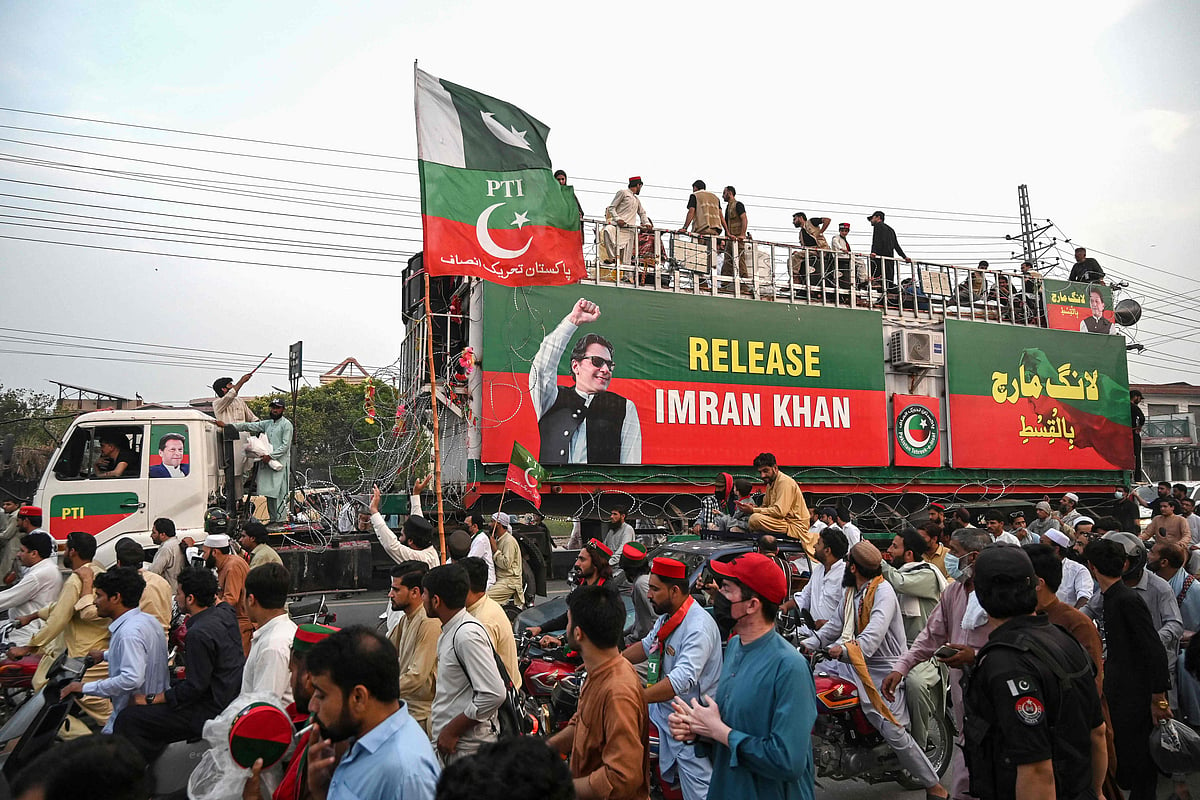
Pakistan's political discourse has become increasingly centered on the imprisonment of a prominent figure, a development that underscores the nation's ongoing institutional tensions. The detention has mobilized supporters and opponents alike, transforming what began as a legal matter into a broader political confrontation that threatens to destabilize governance.
The case reflects longstanding fault lines within Pakistan's power structure, pitting civilian political parties against each other while raising concerns about the judiciary's role in the political process. Multiple factions have leveraged the prisoner's status to advance their respective agendas, using the detention as a rallying point for their base and a tool for political negotiation.
Observers note that the focus on an individual's imprisonment, rather than substantive policy debates, illustrates the challenges facing Pakistan's democratic development. The polarization surrounding the case has diverted attention from pressing national issues including economic stability, security concerns, and institutional reform.
The situation reflects a recurring pattern in Pakistani politics where high-profile prosecutions become intertwined with factional power struggles, complicating efforts to strengthen democratic institutions and rule of law. Political analysts suggest that resolving the underlying disputes will require addressing the fundamental governance issues that have allowed such conflicts to dominate the national agenda.