Business · India Bureau
Pakistan, Turkey explore joint 'halal' defence manufacturing framework
Pakistan and Turkey are exploring a new defence cooperation pact that could establish shared standards for Islamic-compliant military production. The initiative aims to strengthen defence ties between the two nations through coordinated manufacturing and technology transfer.
LSN India ·
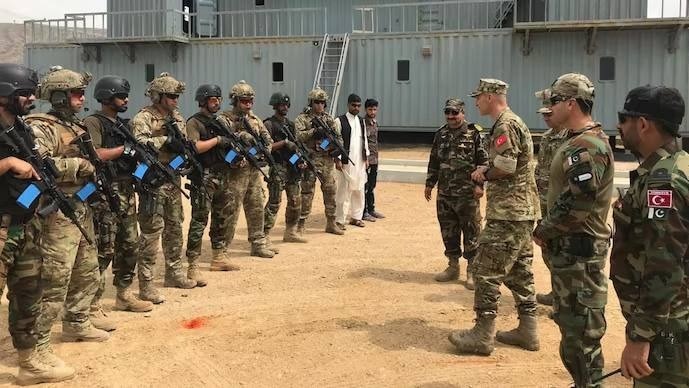
Pakistan and Turkey are examining the potential of a joint defence pact, reportedly named the Badr Pact, that would establish frameworks for what proponents describe as 'halal' defence manufacturing. The initiative seeks to align military production standards across both nations while emphasizing Islamic principles in defence industry operations.
The proposed framework would facilitate cooperation in weapons development, defence technology, and military hardware manufacturing. Officials from both countries have suggested that coordinated production could reduce costs, enable technology transfer, and strengthen the defence capabilities of both nations while adhering to shared ethical and religious guidelines.
The Badr Pact represents a broader strategic partnership between Islamabad and Ankara in the defence sector. Both countries have longstanding military ties and have previously collaborated on defence projects, though a formalized framework for 'halal' production standards would mark a more structured approach to their cooperation.
The initiative comes as both nations seek to expand indigenous defence manufacturing capacity and reduce dependence on foreign suppliers. Pakistan's expanding defence industrial base and Turkey's advanced military technology sector position both countries as potential complementary partners in regional defence production.
While details of the pact remain limited, defence analysts suggest such cooperation could have broader implications for defence standards across South and Southeast Asia, potentially influencing procurement patterns and manufacturing practices in the region.