Culture & Entertainment · Malaysia Bureau
Palestinian embroidery exhibition reveals cultural narratives at IAMM
An exhibition at the Islamic Arts Museum Malaysia showcases how traditional Palestinian Tatreez embroidery serves as a repository of cultural identity, community heritage and historical memory. The display examines the deeper significance of each intricately stitched piece beyond its aesthetic value.
LSN Malaysia ·
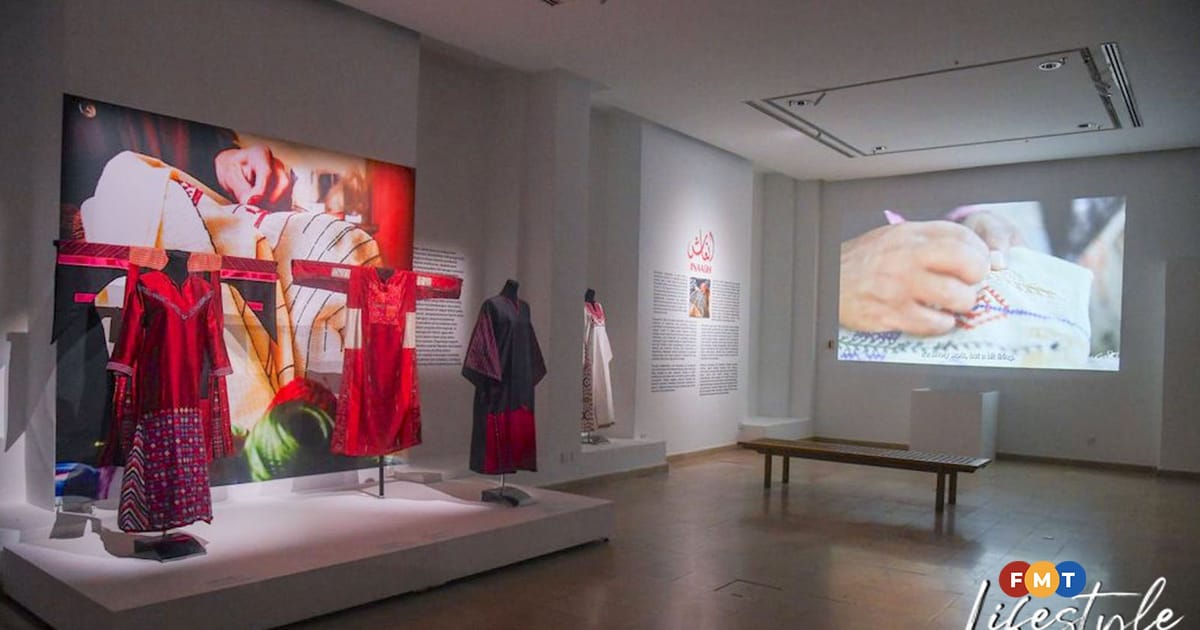
The Islamic Arts Museum Malaysia is presenting a comprehensive look at Palestinian embroidery through the lens of cultural preservation and storytelling. The exhibition, centred on Tatreez, demonstrates how these handcrafted pieces function as more than decorative textiles, representing the diverse communities, geographic regions and traditions of Palestinian society across generations.
Each embroidered garment and textile featured in the collection carries embedded meanings rooted in specific places and cultural practices. The intricate patterns, colour choices and stitching techniques reflect the identity of the communities that produced them, serving as visual documentation of Palestinian heritage and lived experiences.
Tatreez, characterised by its distinctive geometric patterns and vibrant colours, has long been central to Palestinian cultural expression. The embroidery tradition encompasses regional variations, with different areas recognising particular design elements and colour palettes that distinguish their work and connect wearers to their ancestral origins.
The exhibition provides visitors with an opportunity to understand how traditional craftsmanship intersects with cultural memory and identity. By examining the stories woven into each piece, the museum underscores the importance of preserving these artistic traditions as records of Palestinian social, historical and geographical narratives.
The display at the Islamic Arts Museum Malaysia joins growing regional efforts to document and celebrate traditional textile arts from across Asia and the Middle East, positioning handmade embroidery within broader conversations about cultural heritage and artistic legacy.